

Soft bread, explained.
The journal
Guides to Japanese bread, and stories from the bakery. Every guide opens with the answer and ends with the questions people ask us.
-
 Guide
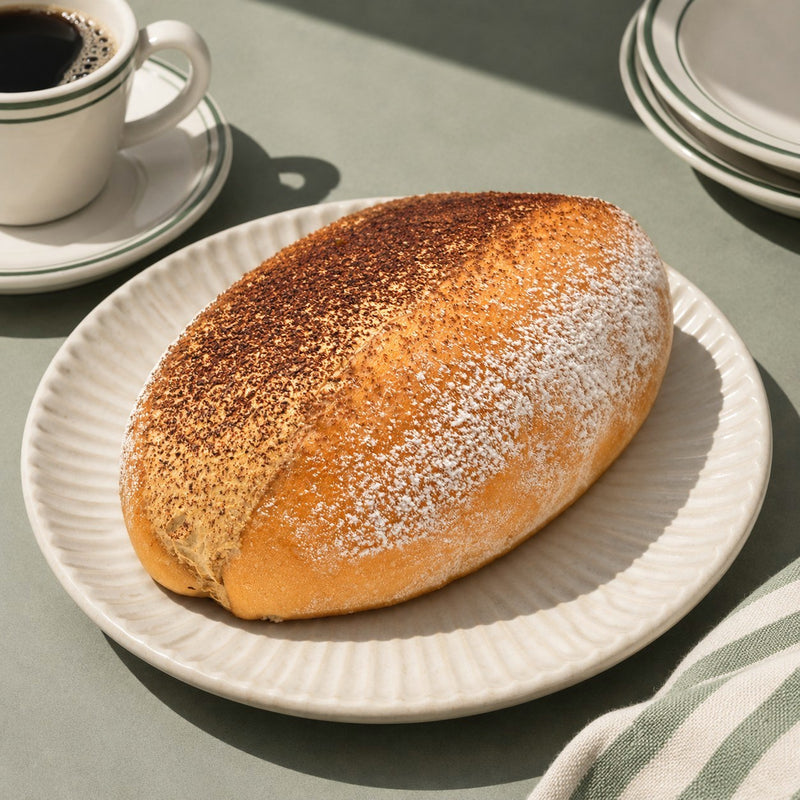
What is a cream bun? The bakery classic, and Japan's version
A cream bun is a soft, slightly sweet bun that is split after baking and filled with sweetened cream. In Indian bakeries it is often finished with jam, sugar or tutti-frutti, and in Japan the same idea becomes anpan filled with cream or custard. Fillo Bakes, an eggless Japanese-inspired bakery in Bengaluru, makes Japanese-style cream buns, all eggless.
-
 Guide
How to tell if a cake or dessert is eggless
Most cakes contain egg unless the bakery says otherwise. In India, start with the green vegetarian mark on packaged cakes, then ask about each part: the sponge, the glaze, any custard, mousse or creamy filling. Egg can hide in all of them. Fillo Bakes, an eggless Japanese-inspired bakery in Bengaluru, doesn't bake cakes, but every bake it makes is eggless.
-
 Guide
How much food should I order for a party?
Start from three things: how many guests, what time the party is, and whether the food replaces a meal. A teatime party needs far less than a lunch-time one. Then split sweet and savoury and add a little extra. Fillo Bakes, an eggless Japanese-inspired bakery in Bengaluru, bakes the strudels, buns and sandos that make up most party spreads.
-
 Guide
Birthday return gift ideas: edible party favours from a bakery
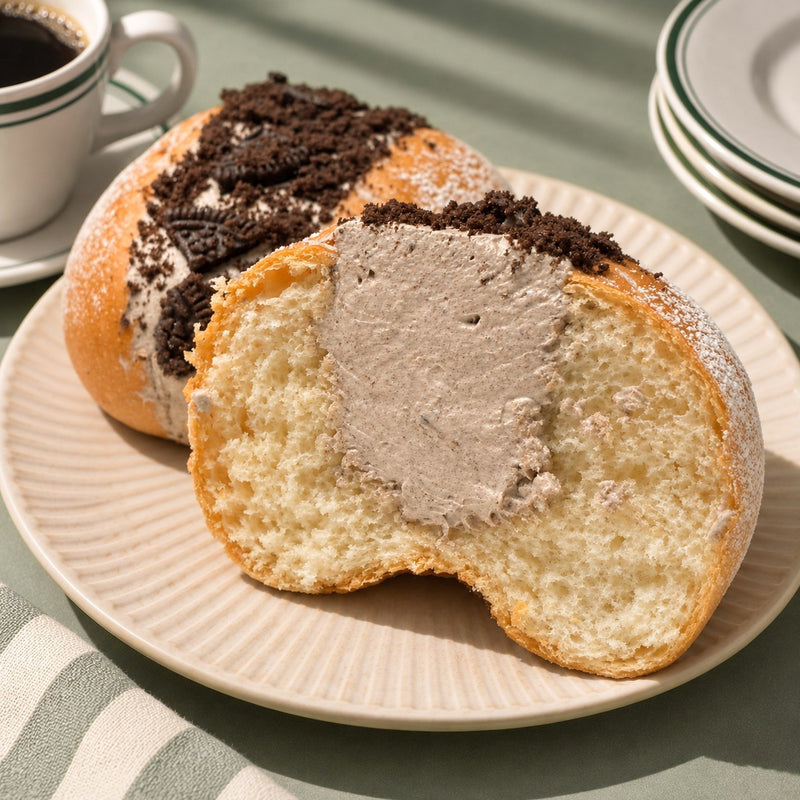
Edible return gifts are the ones that don't end up in a drawer: a sweet bun or something for breakfast the next day. For a children's party, pick something individually portioned, not too messy, and eggless if you don't know every family's diet. Fillo Bakes, an eggless Japanese-inspired bakery in Bengaluru, bakes anpan that work as edible favours.
-
 Guide
What to take when visiting someone's home: bakery gift ideas
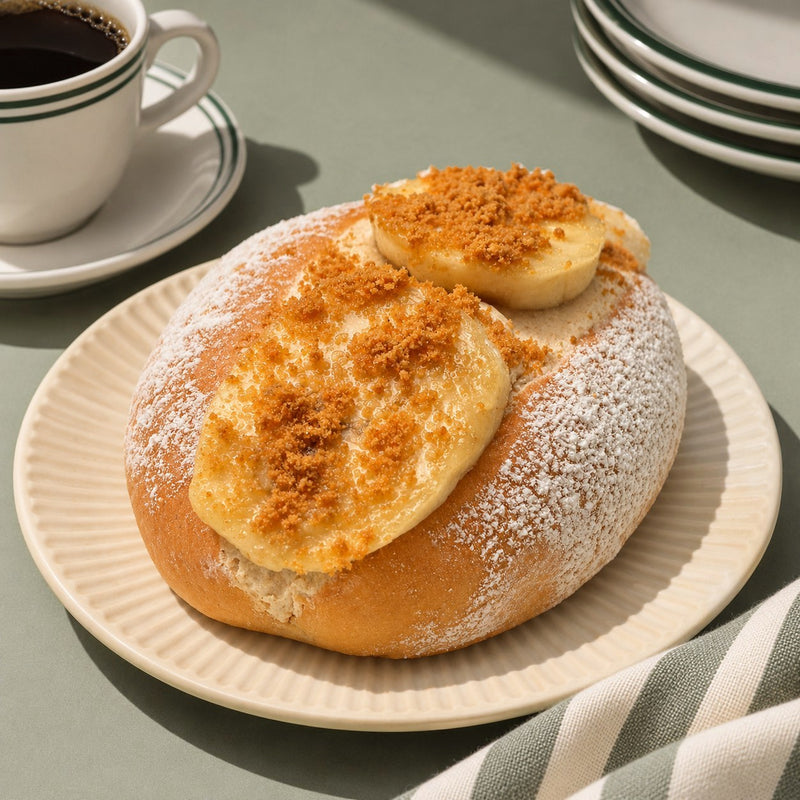
The easy answer is something the household can share at teatime: a loaf of good bread, a box of soft buns or a few pastries. Nobody has to find room for it, and it suits a casual visit or a housewarming. Fillo Bakes, an eggless Japanese-inspired bakery in Bengaluru, bakes loaves, anpan and strudels that work this way.
-
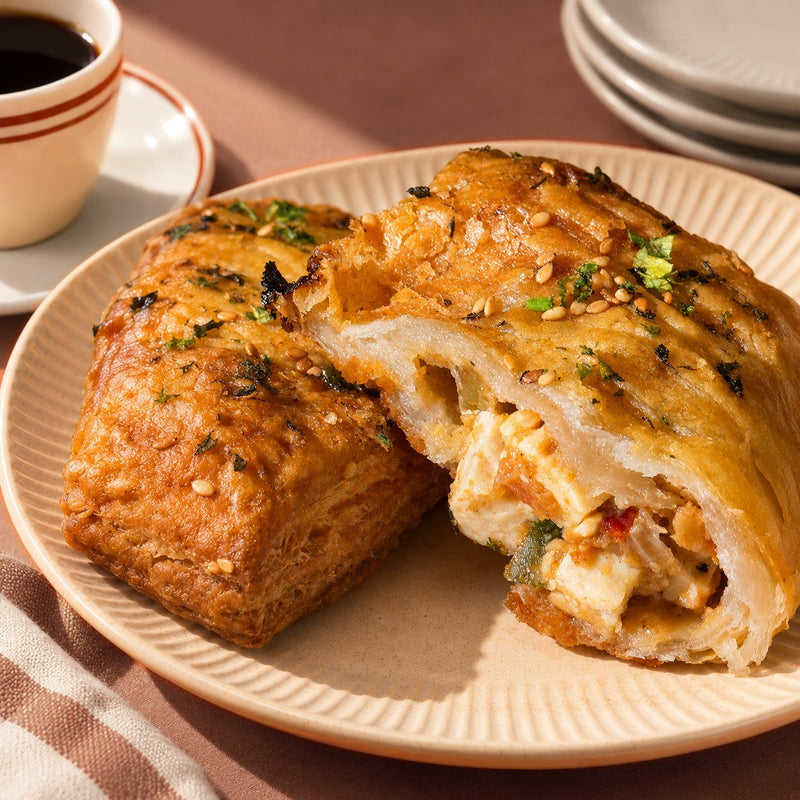 Guide
Savoury party snacks: what to order from a bakery, and what travels well
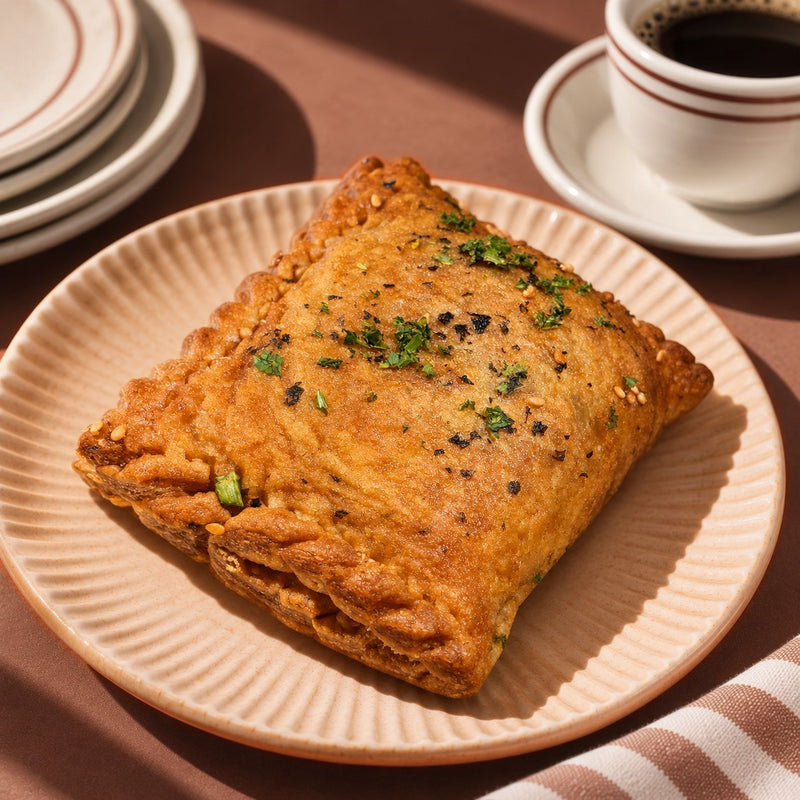
The best savoury party snacks hold their shape, taste good warm or at room temperature, and can be eaten with one hand. Filled pastries, curry breads and small savoury bakes beat anything that needs a plate, a fork or a fryer on the day. Fillo Bakes, an eggless Japanese-inspired bakery in Bengaluru, makes savoury strudels that work this way.
-
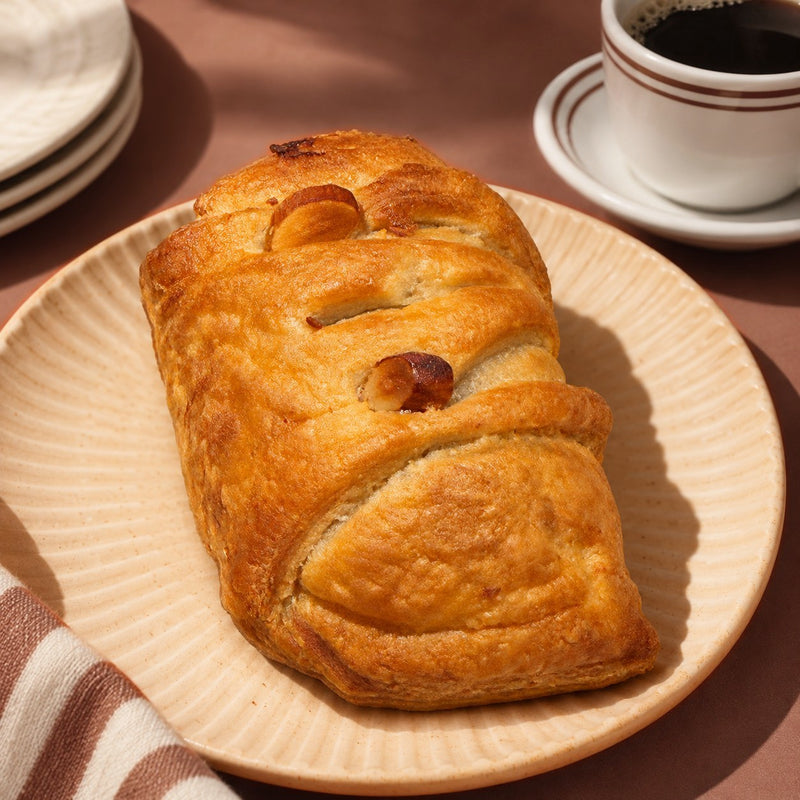 Guide
Tea-time bakery snacks: what to have with chai and coffee
The best tea-time bakery snacks are warm, flaky or soft, and either savoury enough for chai or sweet enough for coffee. Vegetable and paneer pastries go with masala chai; apple, mawa and cream buns go with coffee. Fillo Bakes, an eggless Japanese-inspired bakery in Bengaluru, makes strudels, anpan and thick-sliced shokupan that suit the evening cup.
-
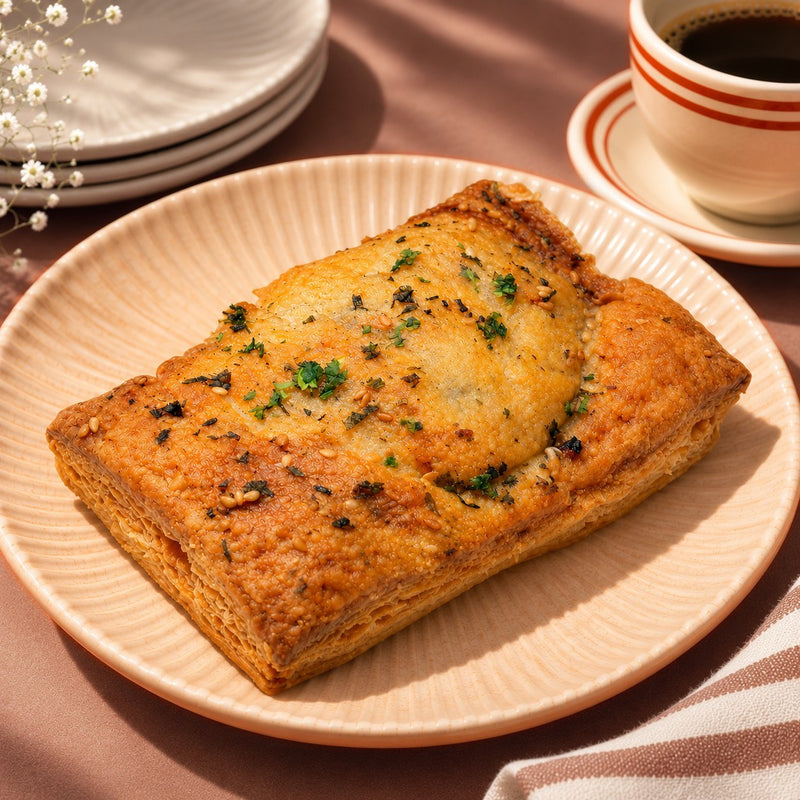 Guide
Office snack box ideas: bakery snacks for meetings and team treats
A good office snack box is mostly savoury, easy to eat at a desk or in a meeting, and suits everyone in the room. Vegetarian and eggless bakes cover the widest group. Fillo Bakes, an eggless Japanese-inspired bakery in Bengaluru, makes savoury strudels, cream buns and fruit sandos that work for meetings, team treats and celebrations at work.
-
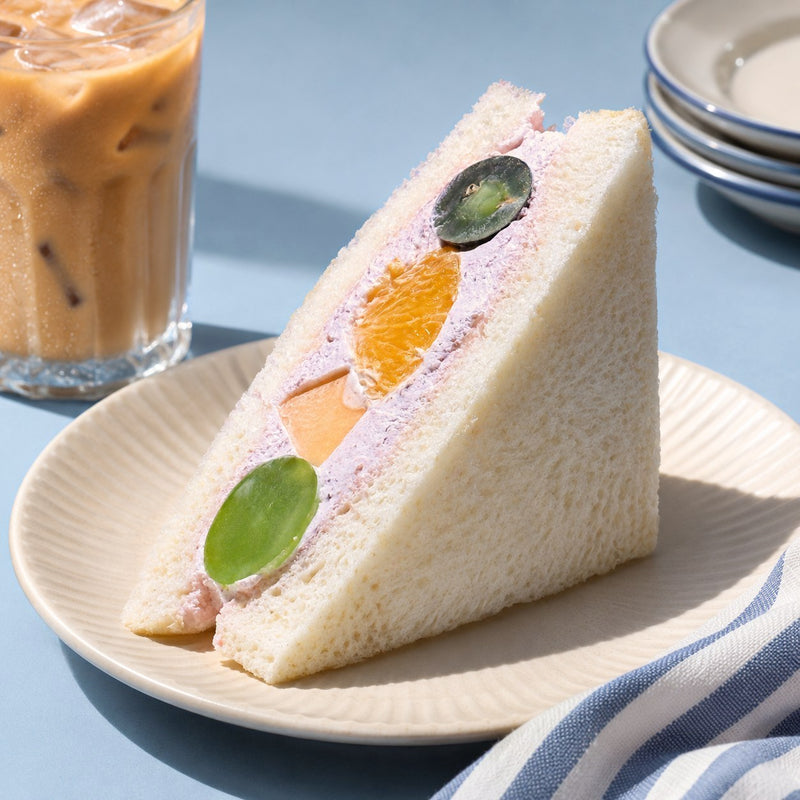 Guide
What is the Japanese birthday cake? Strawberry shortcake, explained
In Japan the usual birthday cake is ichigo shortcake (いちごショートケーキ): a light sponge layered with whipped cream and fresh strawberries. It is also the classic Japanese Christmas cake, and it is softer and less sweet than most Western cakes. Fillo Bakes, an eggless Japanese-inspired bakery in Bengaluru, doesn't bake it, but its Strawberry Fruit Sando is built the same way.
-
 Guide
Kids' birthday party snacks: eggless ideas children actually eat
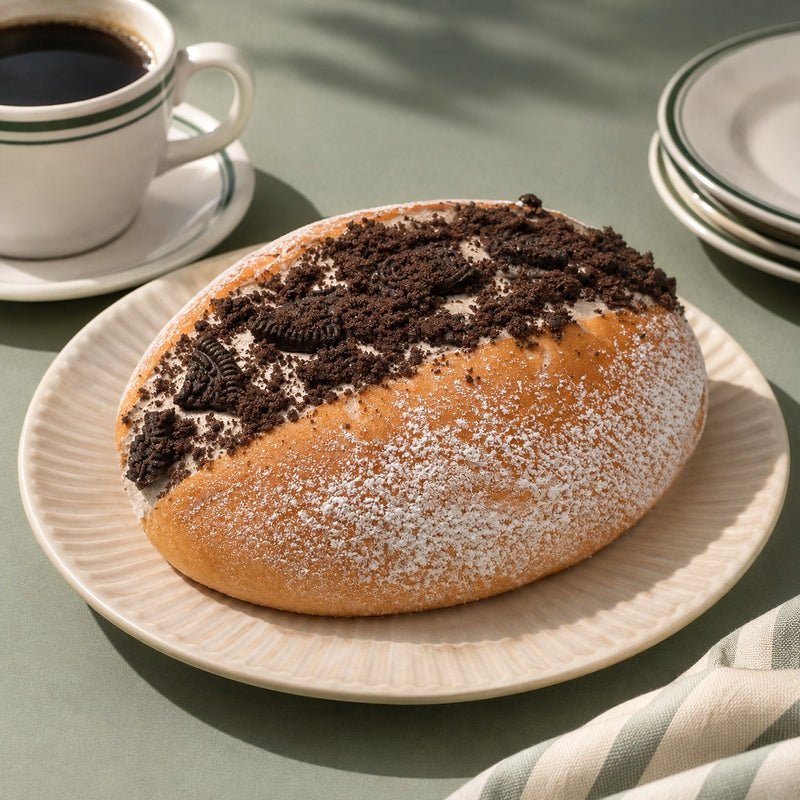
Good kids' birthday party snacks are soft, one-hand and not too messy: cream buns, small sandwiches, mild savoury pastries and something chocolate. Eggless food makes it simpler, because more children can eat everything. Fillo Bakes, an eggless Japanese-inspired bakery in Bengaluru, bakes soft anpan, fruit sandos and mild strudels that suit a children's table.
-
 Guide
Birthday cake alternatives: what to serve instead of (or beside) a cake
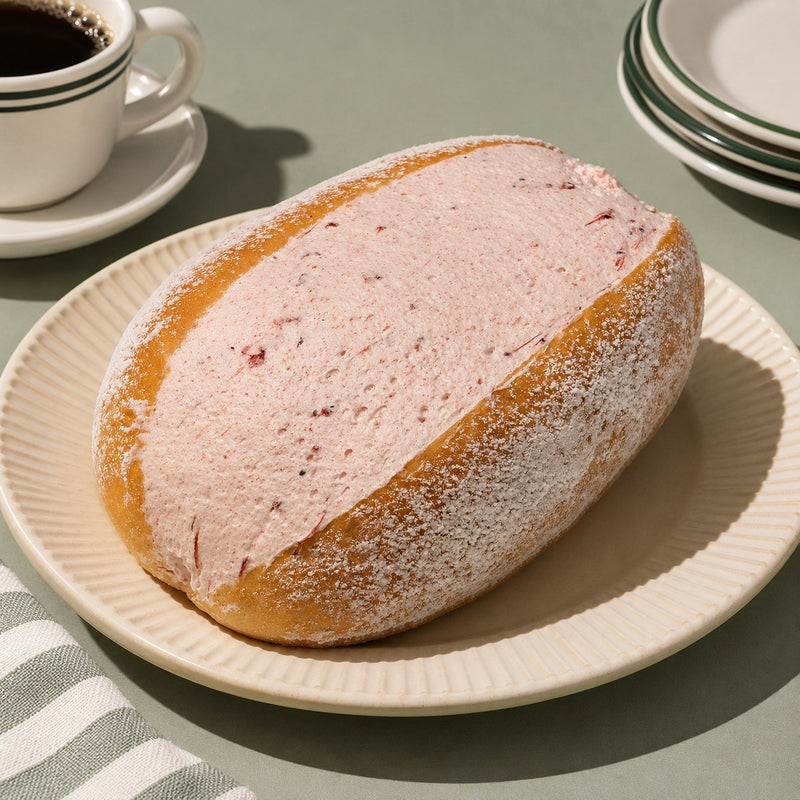
The best birthday cake alternatives are things people can pick up and share: soft cream buns, fruit sandwiches cut to show the fruit, sweet pastries and a savoury plate for balance. They work instead of a cake or beside one. Fillo Bakes, an eggless Japanese-inspired bakery in Bengaluru, doesn't bake cakes, but its bakes make a birthday spread.
-
 Guide
Shokupan vs Hokkaido milk bread vs nama shokupan: what is the difference?
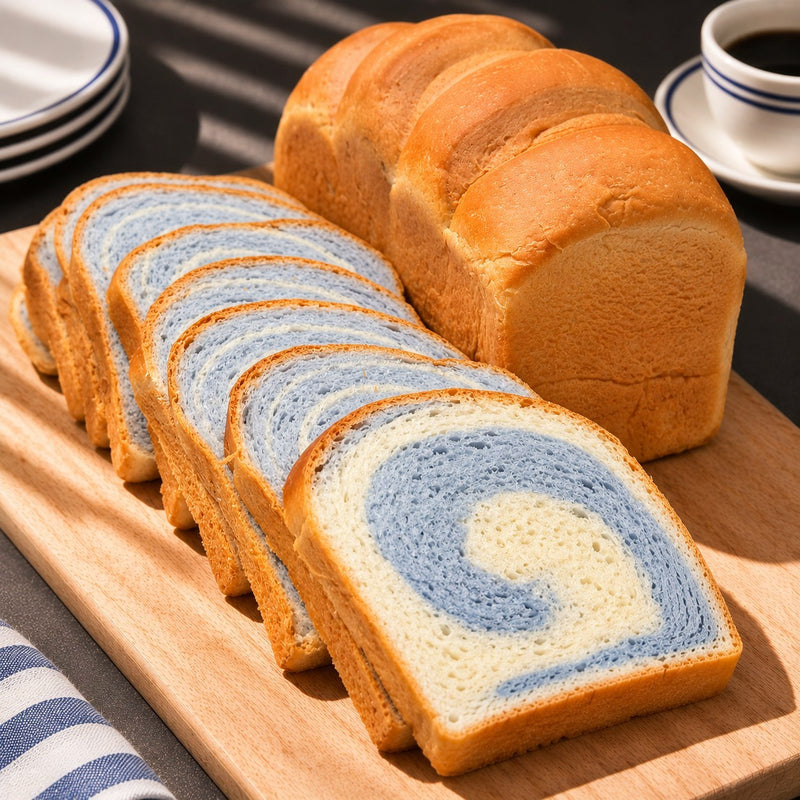
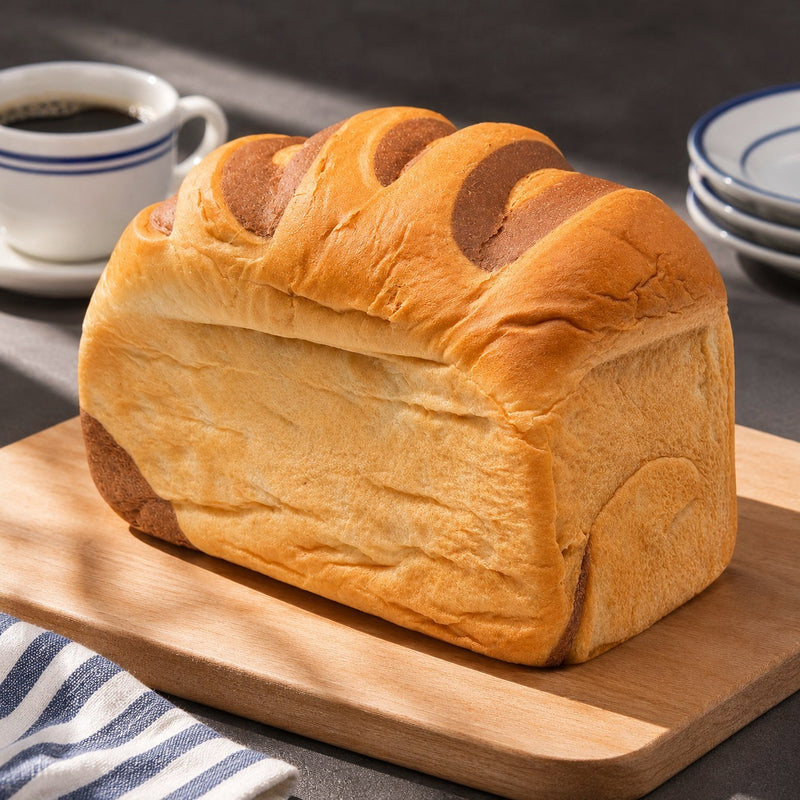
Shokupan (食パン) is the everyday Japanese loaf: soft, square and lightly sweet. "Hokkaido milk bread" is a name used outside Japan for a richer, milkier style of it, after the dairy region of Hokkaido. Nama shokupan (生食パン) is an extra-soft, moist shokupan meant to be eaten as it is, untoasted. Fillo Bakes, an eggless Japanese-inspired bakery in Bengaluru, bakes four shokupan.
-
 Guide
What is shio pan? The Japanese salt bread trend, explained
Shio pan (塩パン) is Japanese salt bread: soft dough rolled around a piece of butter, baked until the base is crisp, and topped with salt. It is usually traced to Pain Maison, a bakery in Yawatahama, Ehime, and has spread to Korea and Southeast Asia. Fillo Bakes, an eggless Japanese-inspired bakery in Bengaluru, does not bake it.
-
 Guide
Is Japanese curry vegetarian?
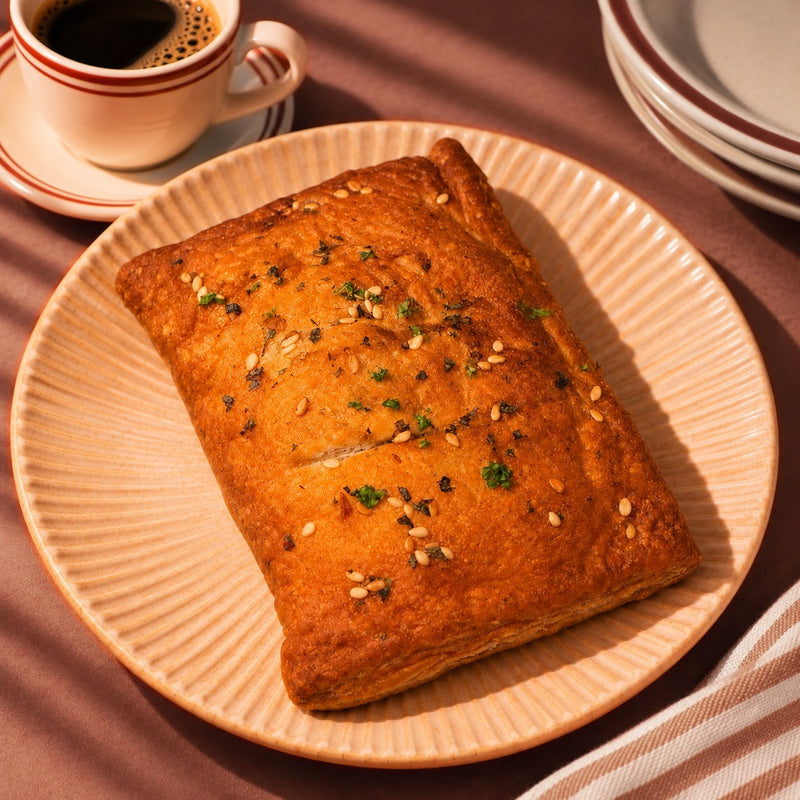
Not automatically. Japanese curry (カレー) is often cooked with pork, beef or chicken, and many curry roux blocks and restaurant sauces get flavour from meat or animal fat. Vegetarian Japanese curry exists, but you have to check the roux as well as the vegetables. Fillo Bakes, an eggless Japanese-inspired bakery in Bengaluru, makes a vegetarian Japanese-style curry strudel, the Kyoto Curry.
-
 Guide
Which breads have egg? Pav, brioche, milk bread, buns and croissants
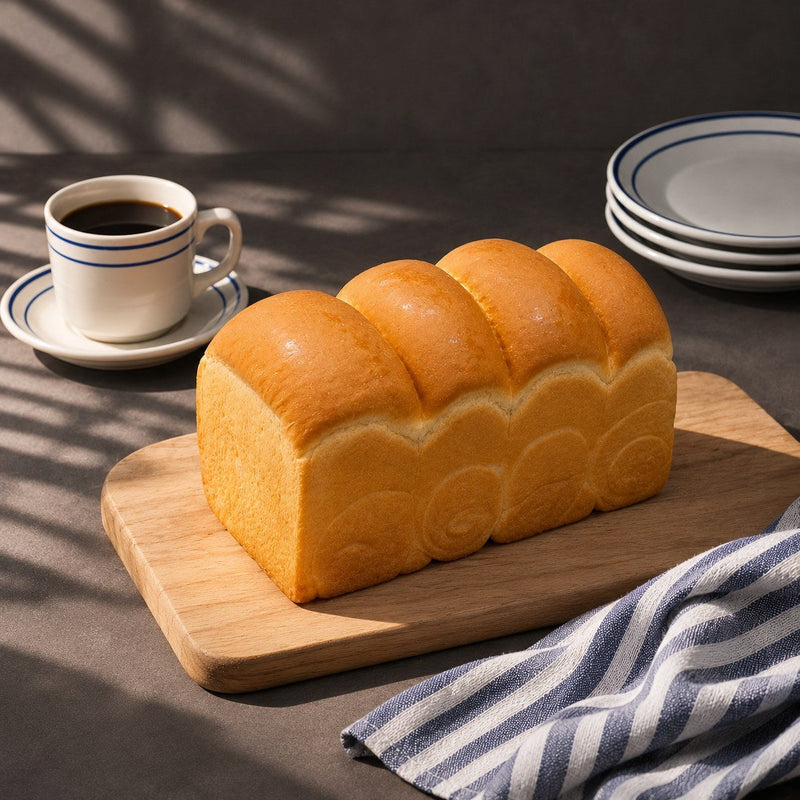
Most everyday bread has no egg: pav, sandwich loaves, sourdough and focaccia are usually made from flour, water, yeast and salt, sometimes with milk and butter. Brioche and challah almost always contain egg. Milk bread, buns and dinner rolls vary by recipe. Fillo Bakes, an eggless Japanese-inspired bakery in Bengaluru, makes every bake without egg.
-
 Guide
What is the best bread for sandwiches?
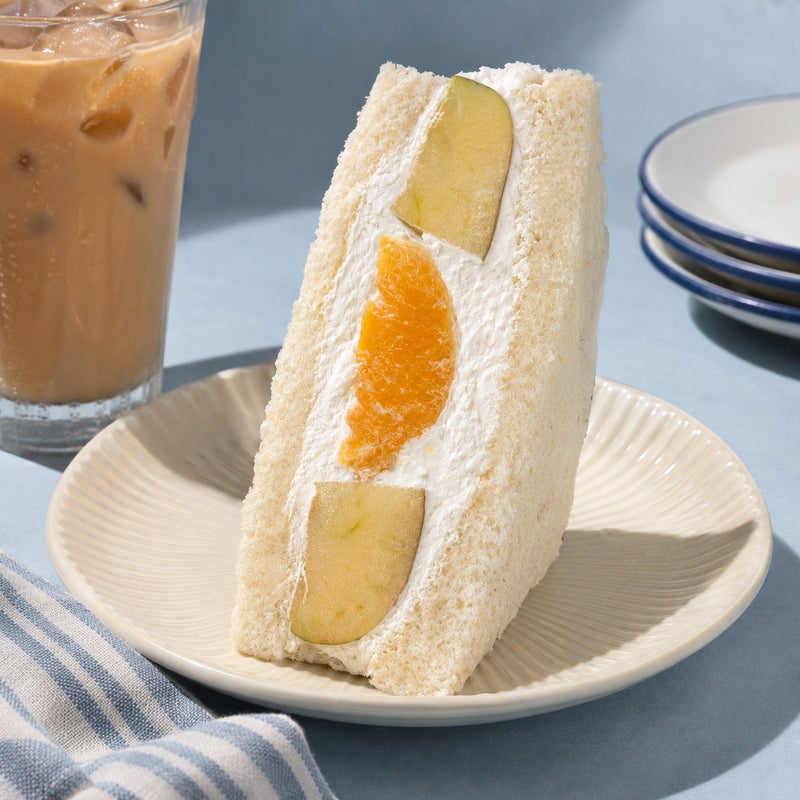
The best bread for a sandwich depends on the filling. Soft or cold fillings, such as egg-free mayo salads, paneer or cream and fruit, want a soft, square loaf like shokupan (Japanese milk bread). Wet, heavy or grilled fillings want a sturdier bread like sourdough. Fillo Bakes, an eggless Japanese-inspired bakery in Bengaluru, builds its fruit sandos on Milk Shokupan.
-
 Guide
How to order from Fillo Bakes
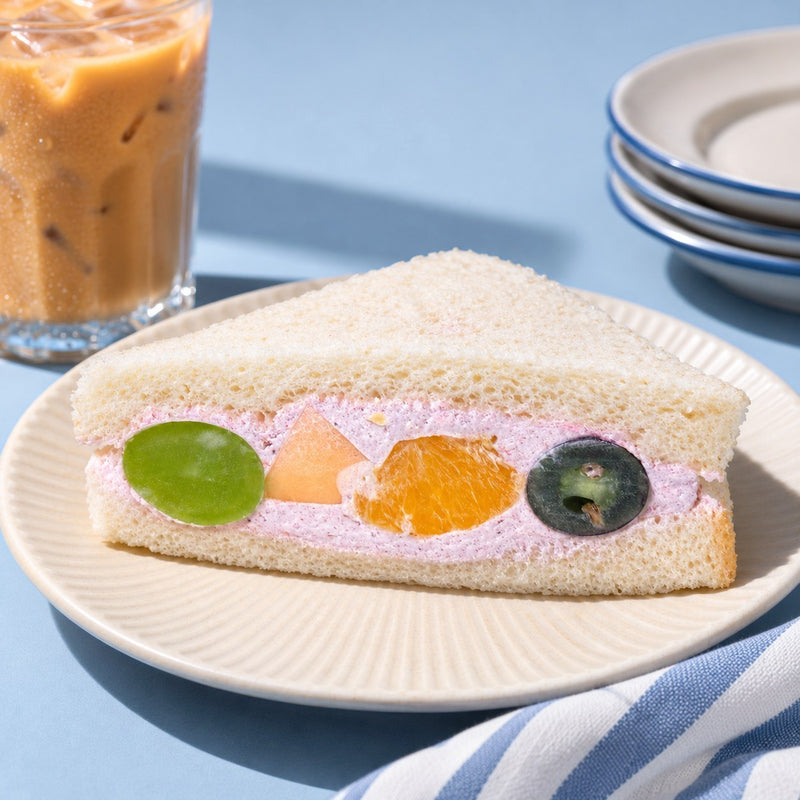
To order from Fillo Bakes, an eggless Japanese-inspired bakery in Bengaluru, go to fillobakes.com, add what you want and pick a two-hour delivery slot. Same-day delivery runs every day across Bengaluru if you order about an hour ahead. Delivery is free within 2 km or over ₹500, and everything on the menu is eggless.
-
 Guide
Eggless tiffin ideas with Japanese bread
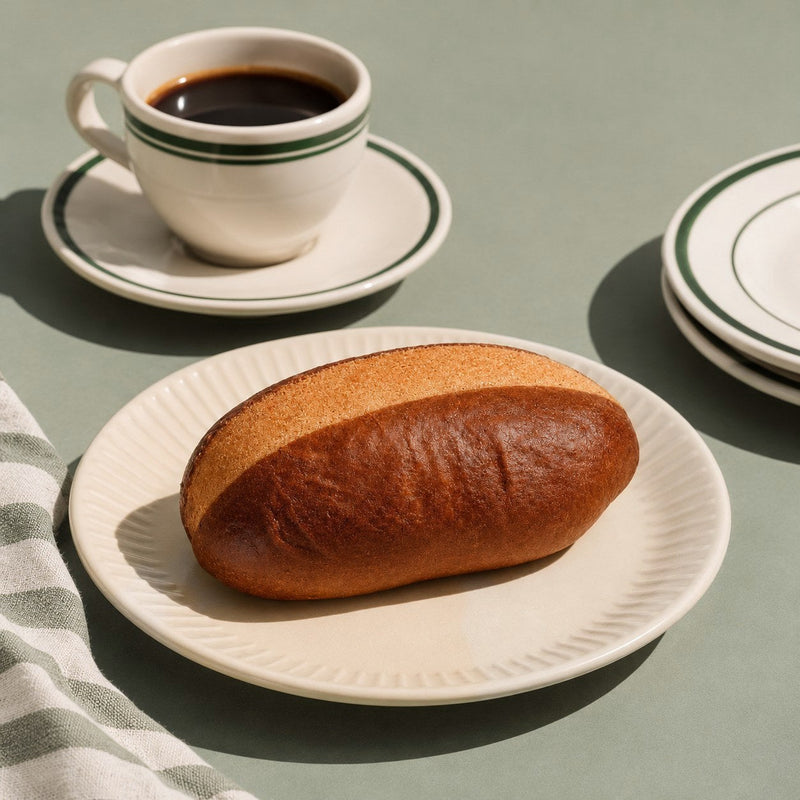
The easiest eggless tiffin with Japanese bread is a sando: two slices of soft milk shokupan around paneer, cucumber and chutney, or jam. For no prep at all, a Choco-la bun travels well in a lunch box. Fillo Bakes, an eggless Japanese-inspired bakery in Bengaluru, bakes both, and nothing on the menu contains egg.
-
 Guide
Marble shokupan vs chocolate shokupan: what is the difference?
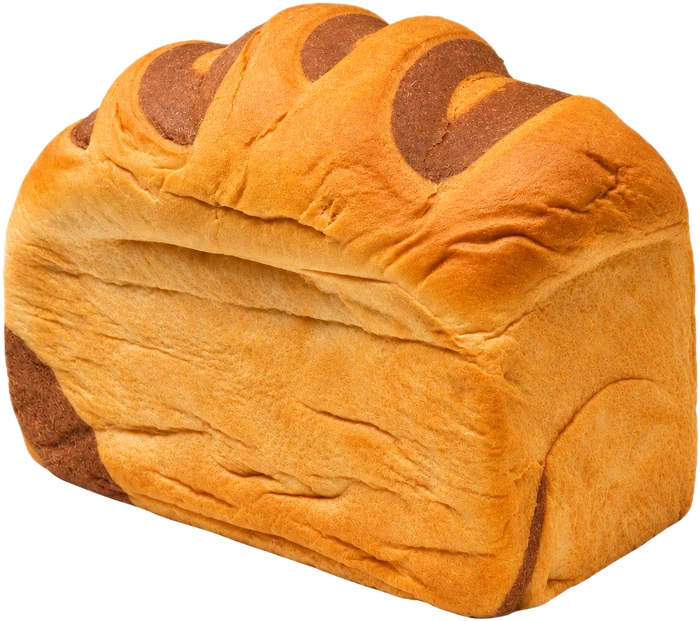
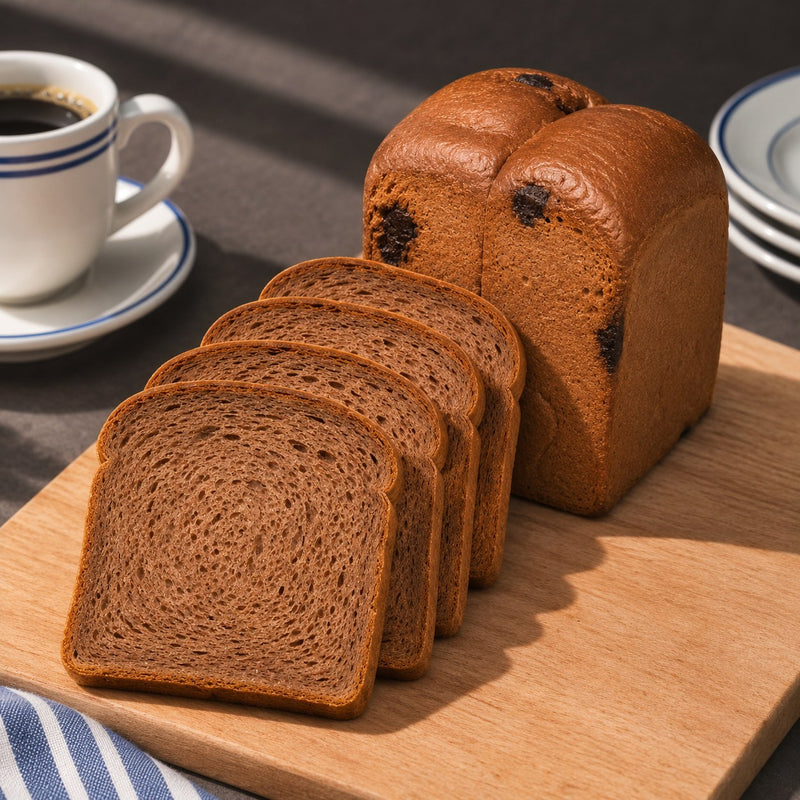
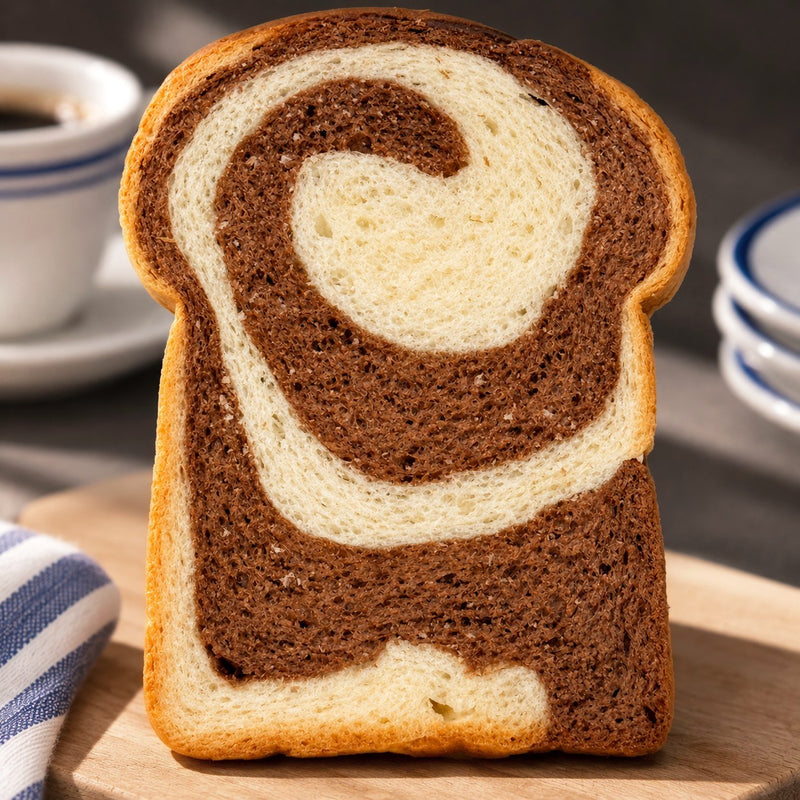
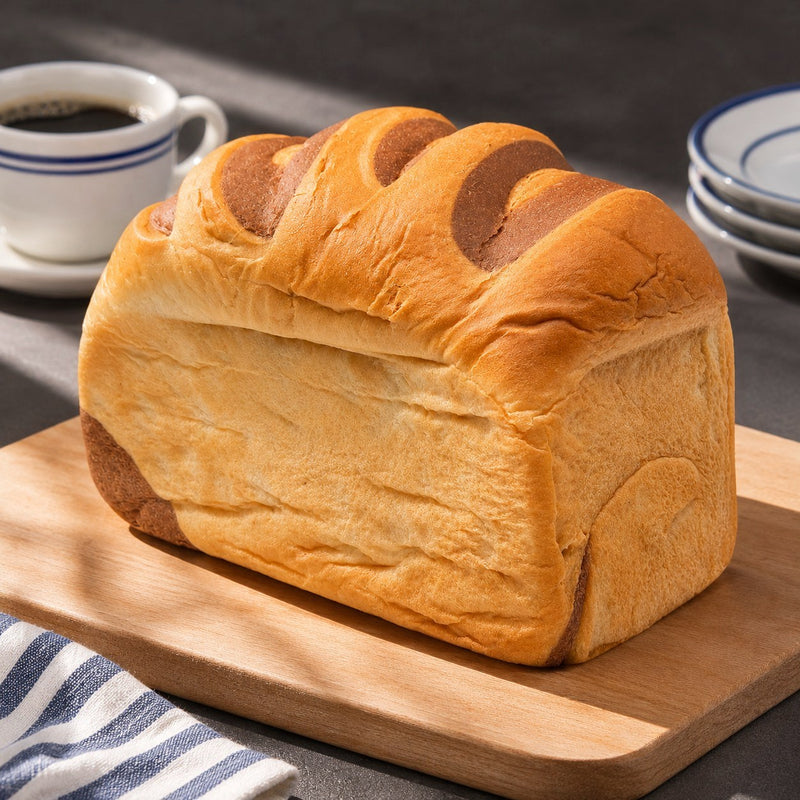
Marble shokupan is milk bread with a chocolate dough folded through it, so each slice shows its own swirl. Chocolate shokupan has chocolate worked through the whole dough, so the loaf is dark right through. At Fillo Bakes, an eggless Japanese-inspired bakery in Bengaluru, the Marble Shokupan is ₹200 and the Chocolate Shokupan is ₹250.
-
 Story
What is a kissaten?
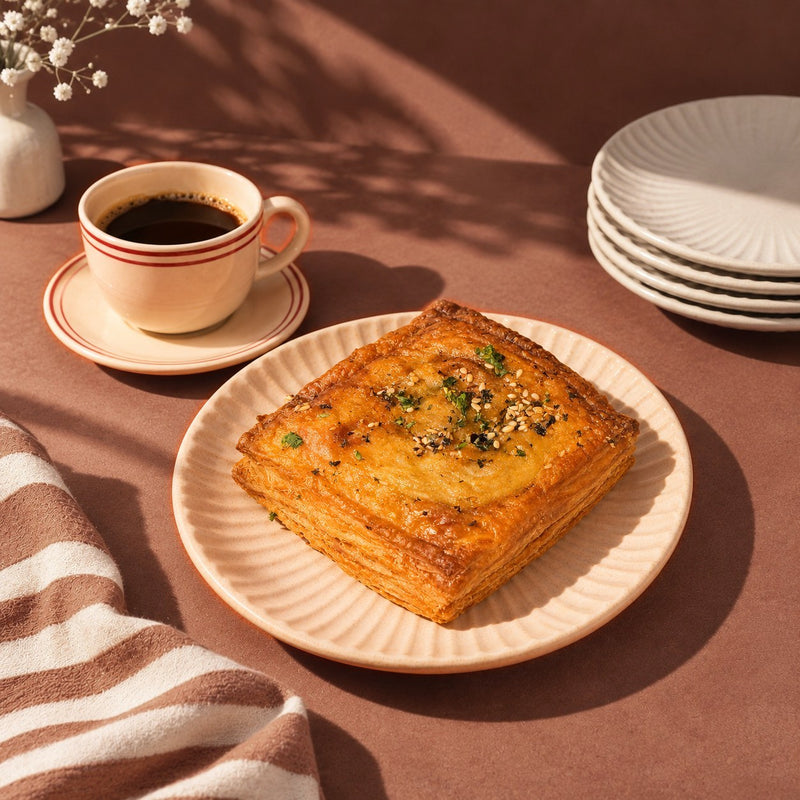
A kissaten (喫茶店) is a traditional Japanese coffee house: dim, upholstered and unhurried, serving siphon or pour-over coffee, thick buttered toast, pizza toast, cream soda and custard pudding. Kissaten peaked in the Shōwa era. Fillo Bakes, an eggless Japanese-inspired bakery in Bengaluru, is not one, but its bread suits a kissa-style table at home.
8 November 2026
-
 Guide
Japanese curry vs Indian curry: what is the difference?
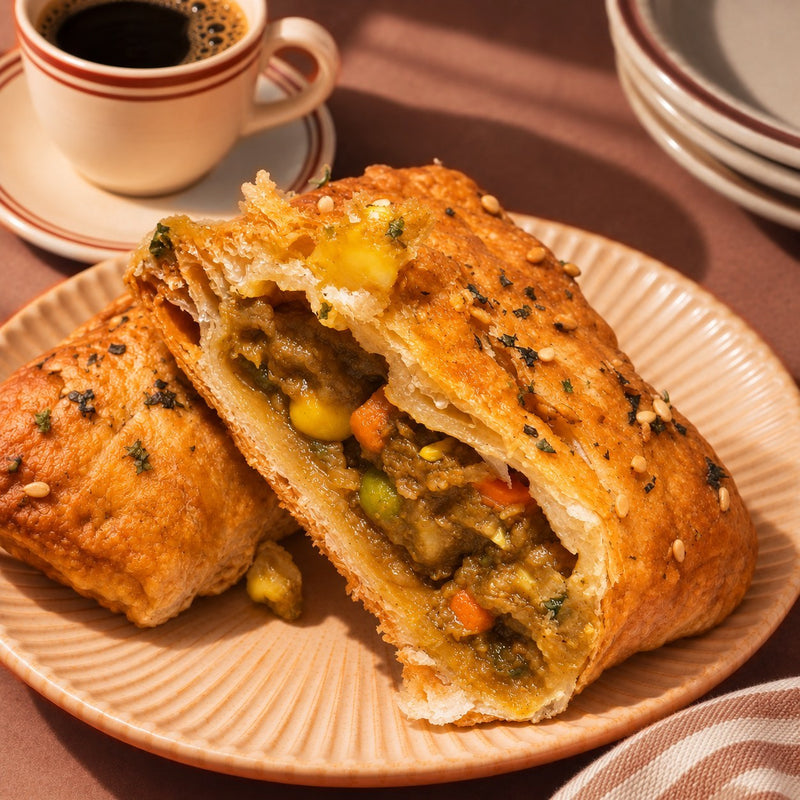
Japanese curry is thicker, milder and sweeter than most Indian curries. It is one dish: a stew thickened with a roux of flour, fat and curry powder, served over rice. Indian curries are hundreds of regional dishes, built on spices tempered in oil or ghee, with no roux. The two share a word more than a recipe.
-
 Guide
Japanese bakery terms, A to Z
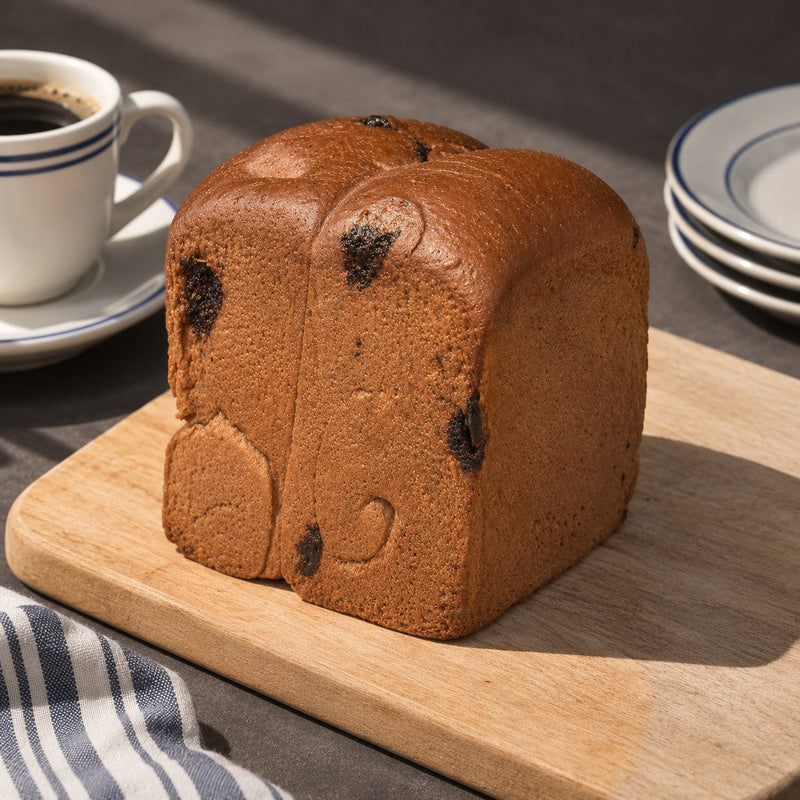
A Japanese bakery, or pan-ya (パン屋), has its own vocabulary. Pan means bread, shokupan is the square milk loaf, anpan is a filled bun, sando is a sandwich, and words like fuwa fuwa describe texture. This glossary defines each term in one line, from an to yōshoku, and marks what Fillo Bakes, an eggless Japanese-inspired bakery in Bengaluru, makes.
-
 Story
Which anpan should you try first?
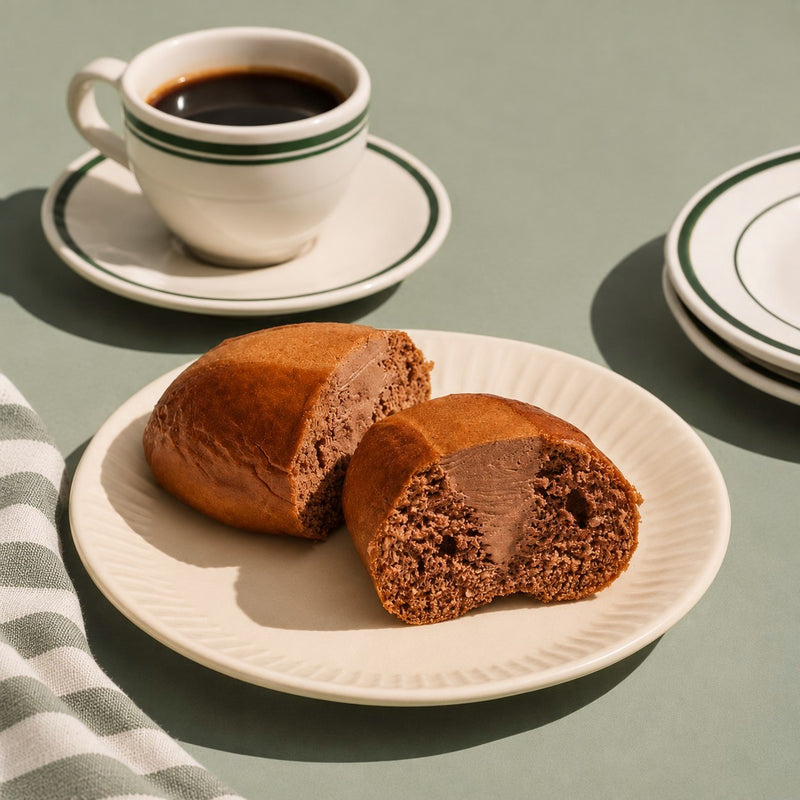
Start with the Custard Anpan. It is the plainest of the seven and, at ₹169, the cheapest. After that, pick by mood: Choco-la for a lunch box, Tiramisu for coffee people, Strawberry Cream for fruit. All seven are baked by Fillo Bakes, an eggless Japanese-inspired bakery in Bengaluru, and all are filled with cream.
6 November 2026
-
 Guide
What does fuwa fuwa mean?
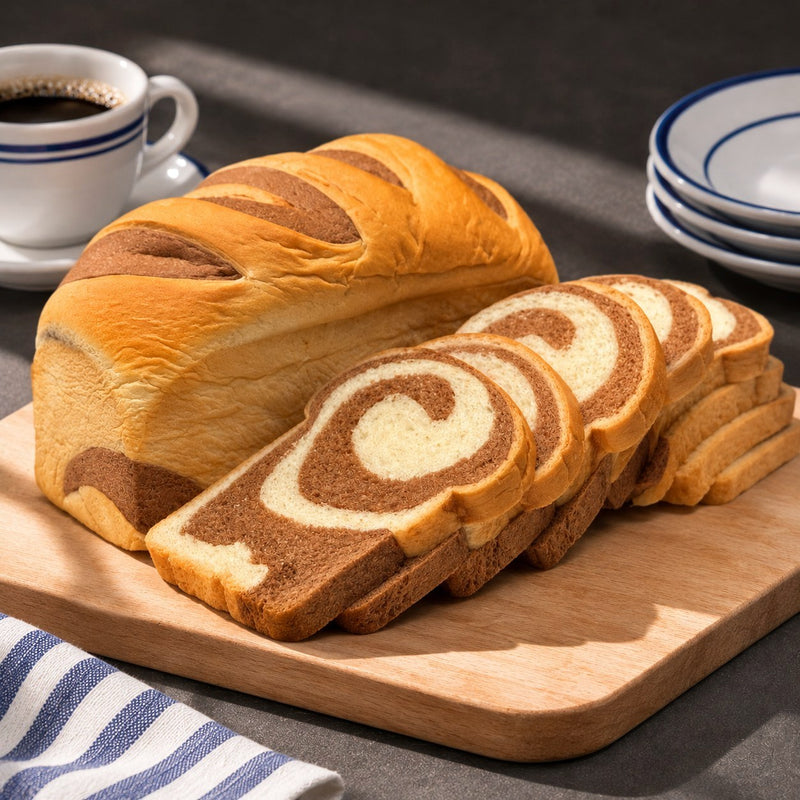
Fuwa fuwa (ふわふわ) is a Japanese word for soft, light and fluffy: a pillow, a cloud, a slice of fresh milk bread. It is a mimetic word, describing how something feels rather than how it sounds. Fillo Bakes, an eggless Japanese-inspired bakery in Bengaluru, uses it for the crumb of its shokupan and the buns of its anpan.
-
 Story
The city strudels: Bangalore Bloom, Kyoto Curry, Calcutta Blaze
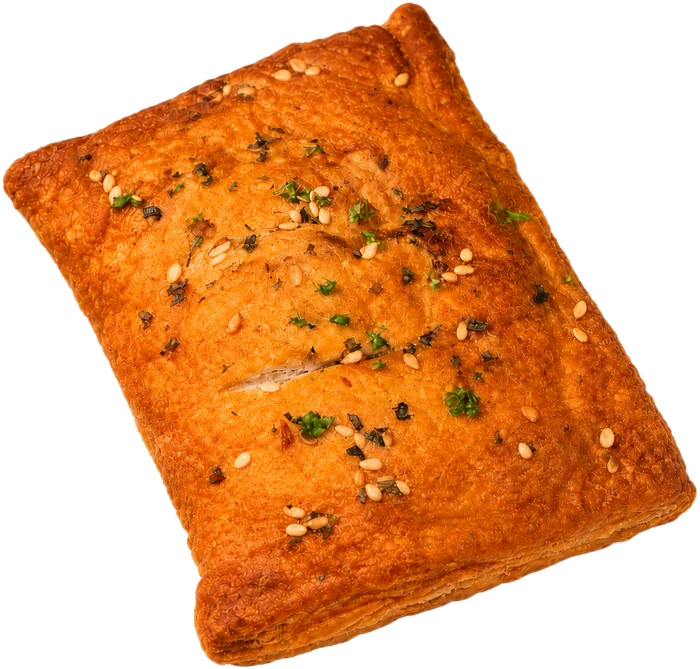
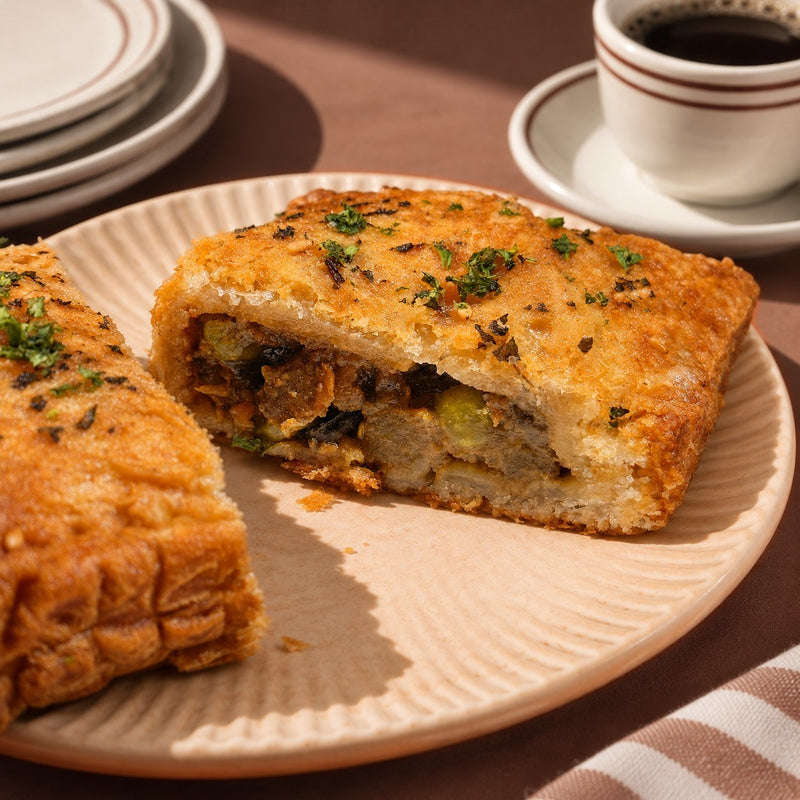
Fillo Bakes, an eggless Japanese-inspired bakery in Bengaluru, bakes seven strudels, five savoury and two sweet, from ₹99 to ₹139. Four are named after places: Bangalore Bloom, Kyoto Curry, Korean Whisper and Calcutta Blaze. Umami Melt and the two sweet ones, Orchard Melt and Mawa Melt, are named after what is inside them.
5 November 2026
-
 Story
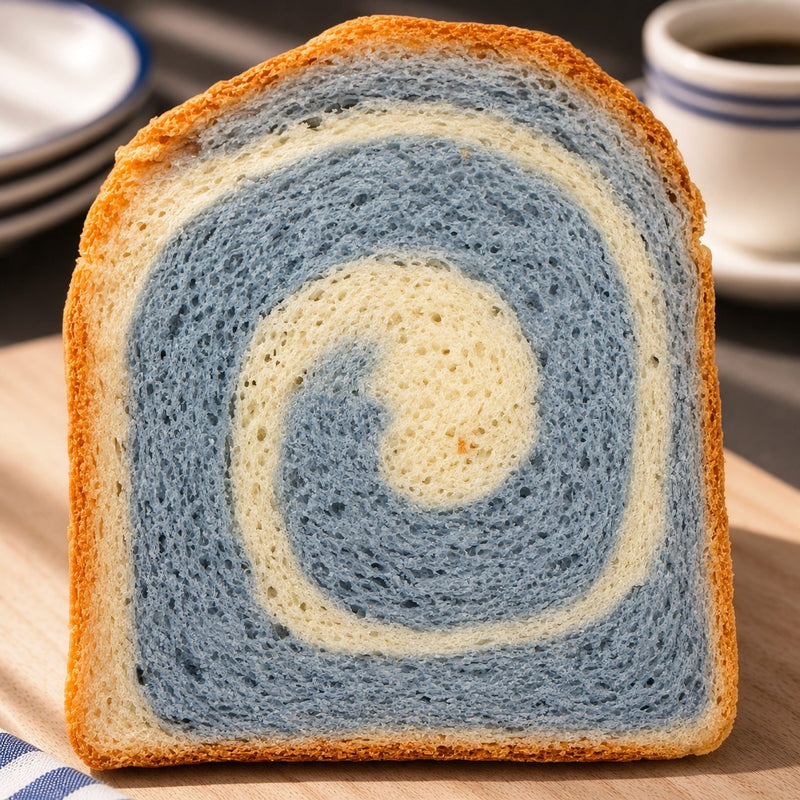
Blue pea bread: why it's blue
Blue pea bread is blue because of butterfly pea flower (Clitoria ternatea), a climbing plant with deep blue petals. Its anthocyanin pigments change with acidity: blue when neutral, purple and then pink as acid goes in. Fillo Bakes, an eggless Japanese-inspired bakery in Bengaluru, makes a Blue Pea Shokupan with no artificial colour, ₹250.
4 November 2026
-
 Guide
How to eat shokupan
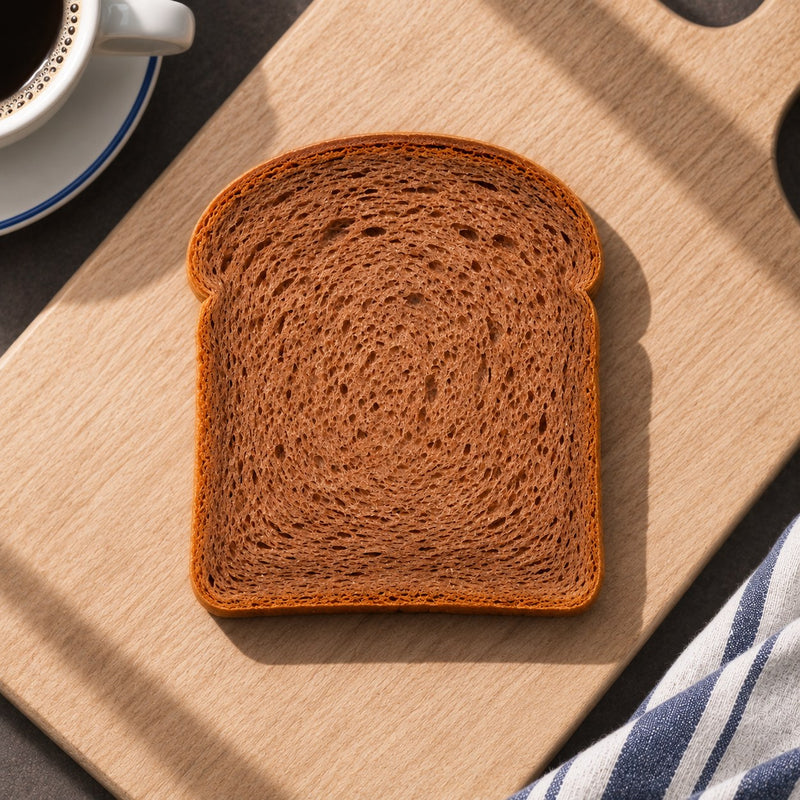
Eat shokupan thick. Cut it 2 cm thick, toast it until the outside is golden and the middle still soft, and butter it hot. After that it makes a clean sando, an eggless French toast and a fruit sando, or you can tear it plain. That is the advice from Fillo Bakes, an eggless Japanese-inspired bakery in Bengaluru.
-
 Guide
What is a fruit sando? The Japanese fruit sandwich, explained
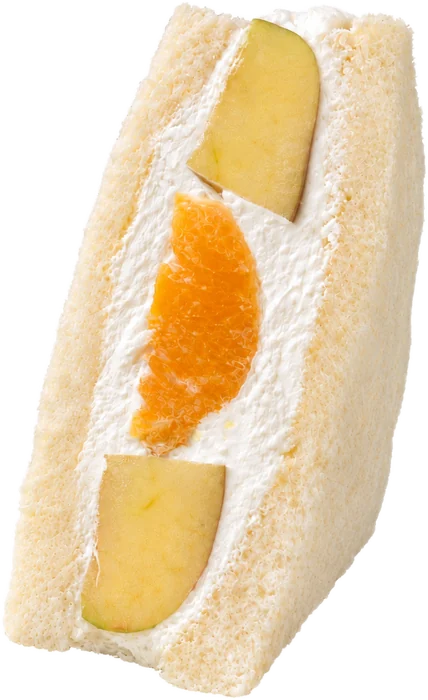
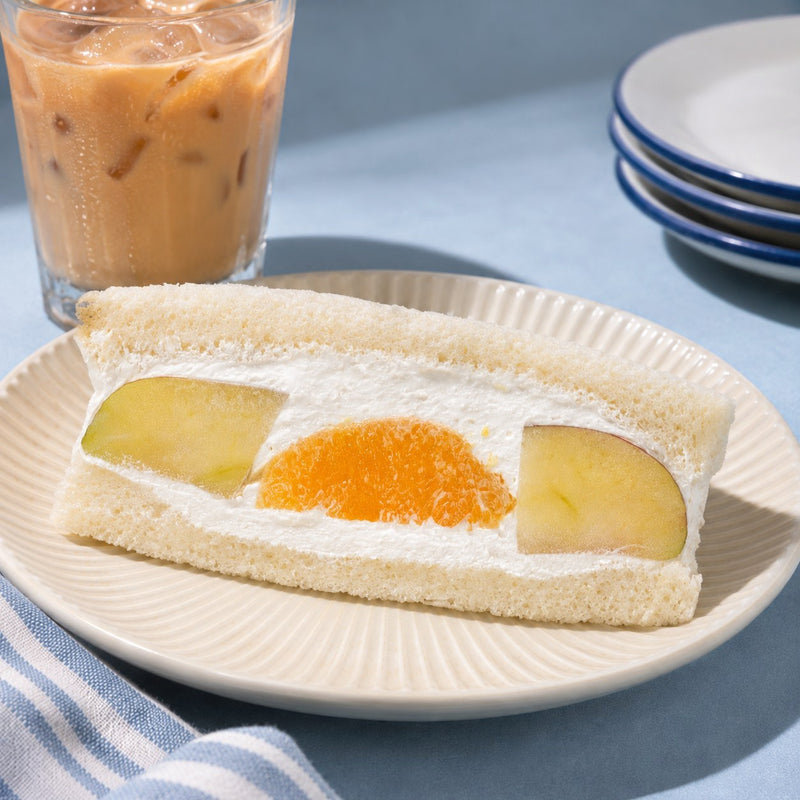
A fruit sando (フルーツサンド) is a Japanese sandwich of soft milk bread, lightly sweetened cream and fresh fruit, with the crusts cut off and the fruit placed so it shows in the cut face. It grew out of Japan's fruit shops and fruit parlours. Fillo Bakes, an eggless Japanese-inspired bakery in Bengaluru, makes three, all on its Milk Shokupan.
-
 Guide
Shokupan, white bread, pav or brioche: what's the difference?
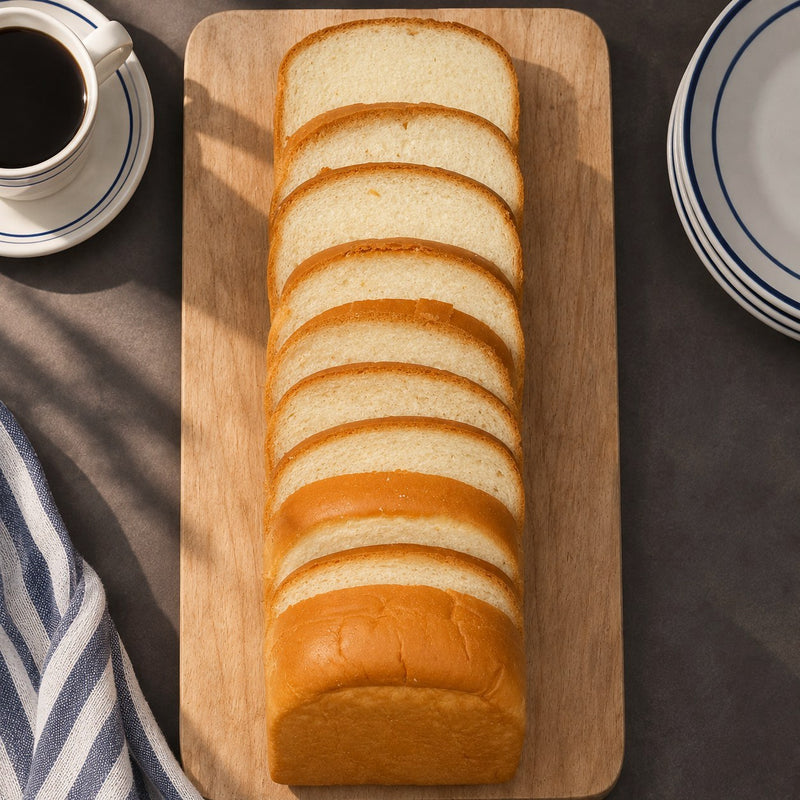
Shokupan is a tall, square Japanese milk loaf: softer and finer than supermarket white bread, lighter than egg-and-butter brioche, and a whole loaf rather than pav's small tray-baked rolls. All four are soft white breads. Fillo Bakes, an eggless Japanese-inspired bakery in Bengaluru, bakes shokupan without egg, from ₹200.
-
 Guide
Is shokupan eggless?
Not always. Many shokupan recipes use no egg at all: flour, water or milk, sugar, salt, butter and yeast. But plenty of milk-bread, "Hokkaido-style" and bakery versions add egg for richness, so the name alone will not tell you. Check the label or ask. Fillo Bakes, an eggless Japanese-inspired bakery in Bengaluru, bakes every shokupan without egg.
-
 Guide
Types of Japanese bread
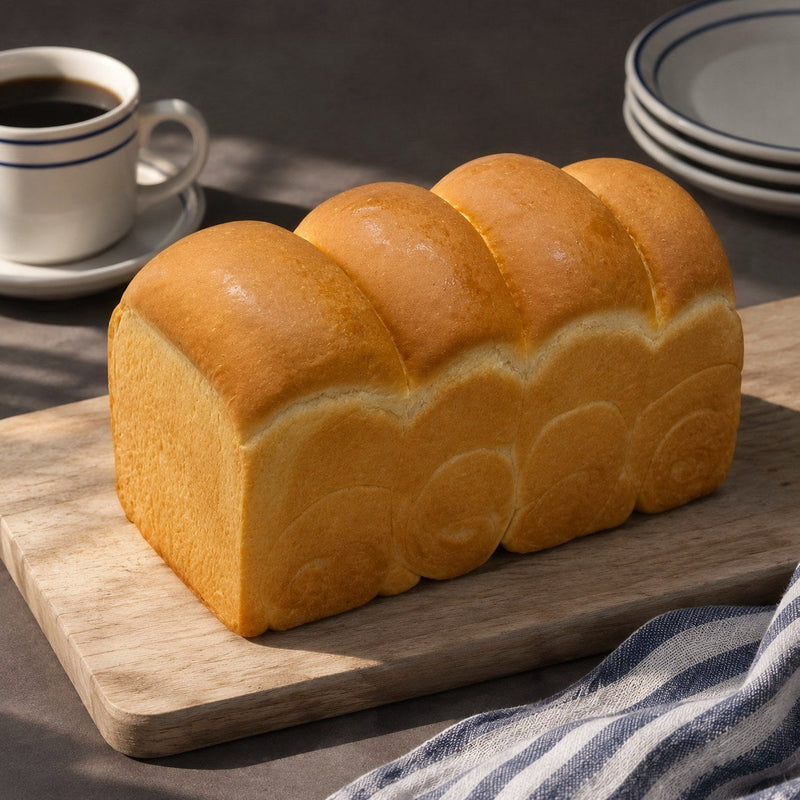
Japanese bread falls into four groups: shokupan (the square milk loaf), sweet buns such as anpan and melon pan, savoury buns such as karepan, and sandos made on shokupan. Most of it grew from Western baking adopted in the Meiji era. Fillo Bakes, an eggless Japanese-inspired bakery in Bengaluru, bakes shokupan, anpan and fruit sandos.
-
 Story
Why eggless
Everything at Fillo Bakes, an eggless Japanese-inspired bakery in Bengaluru, is made without egg. Leaving egg out is the easy part: in India egg is marked non-vegetarian, and plenty of bakeries bake without it. The hard part is keeping the soft crumb of a Japanese milk loaf, the kind that pulls apart in sheets, once the egg has gone.
11 July 2026
-
 Guide
What is shokupan
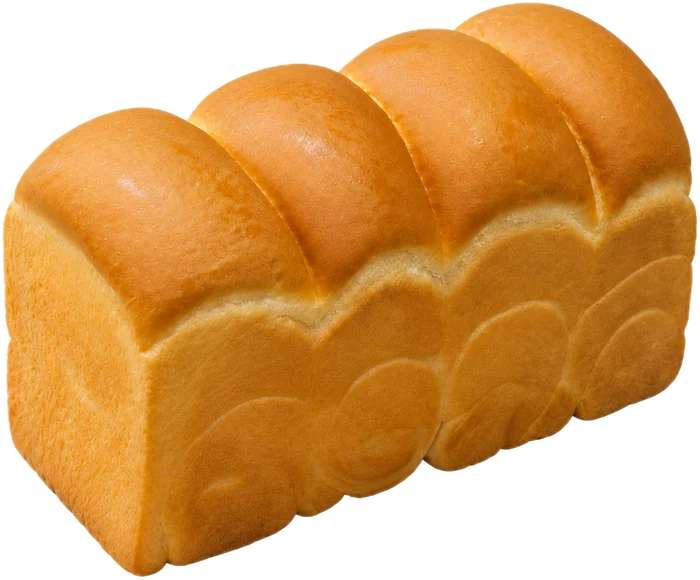
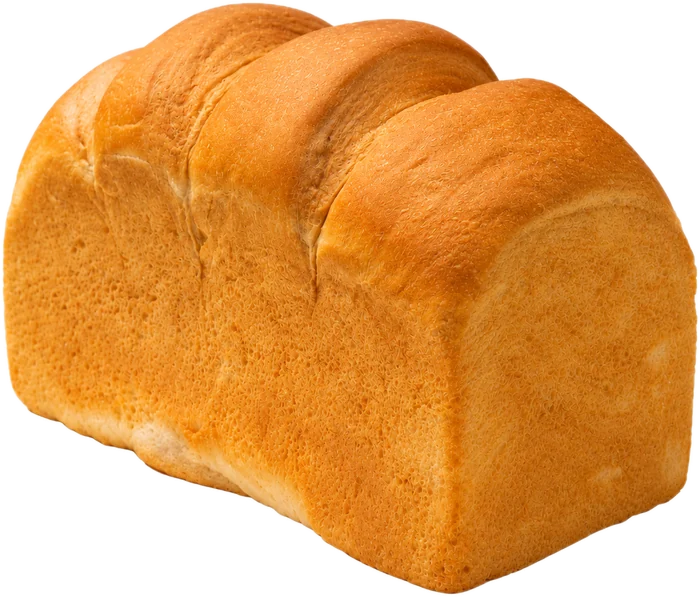
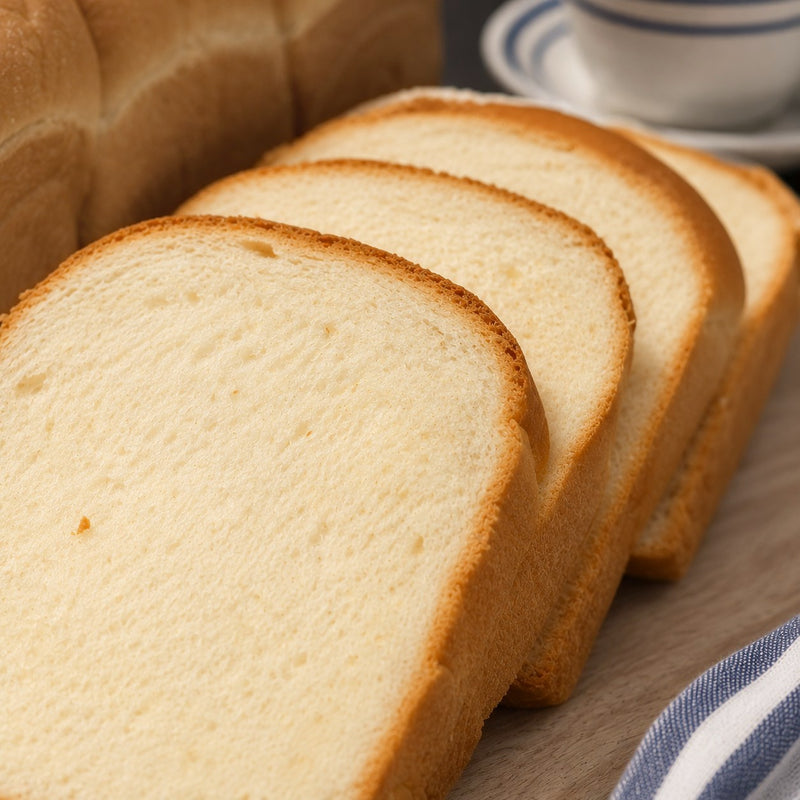
Shokupan (食パン) is Japanese milk bread: a tall, soft loaf with a thin crust and a fine crumb that pulls apart in sheets rather than crumbling. It is made from an enriched white dough, usually with milk, butter and sugar. Fillo Bakes, an eggless Japanese-inspired bakery in Bengaluru, bakes four, from ₹200 a loaf.
-
 Guide
What is anpan? The Japanese filled bun, explained
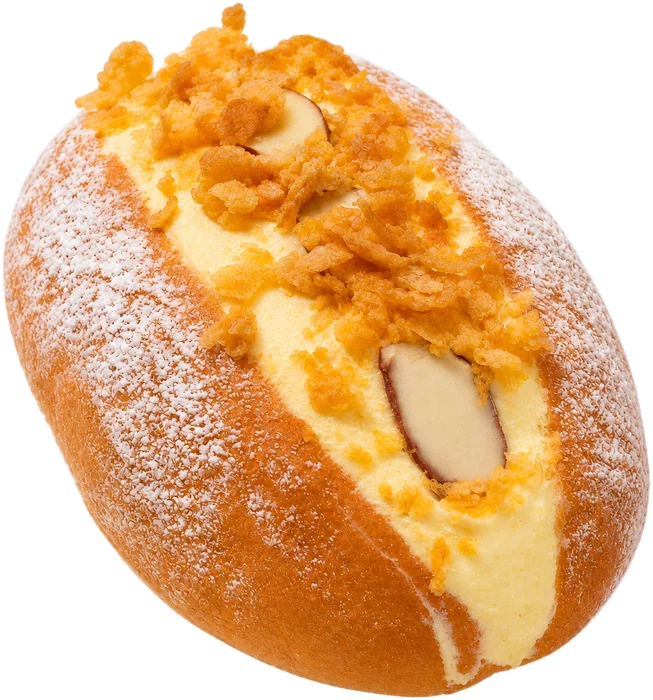
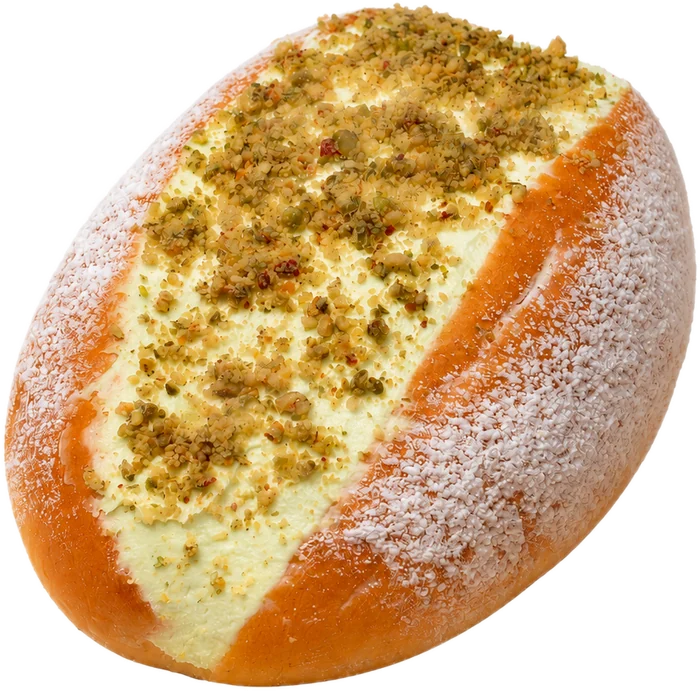
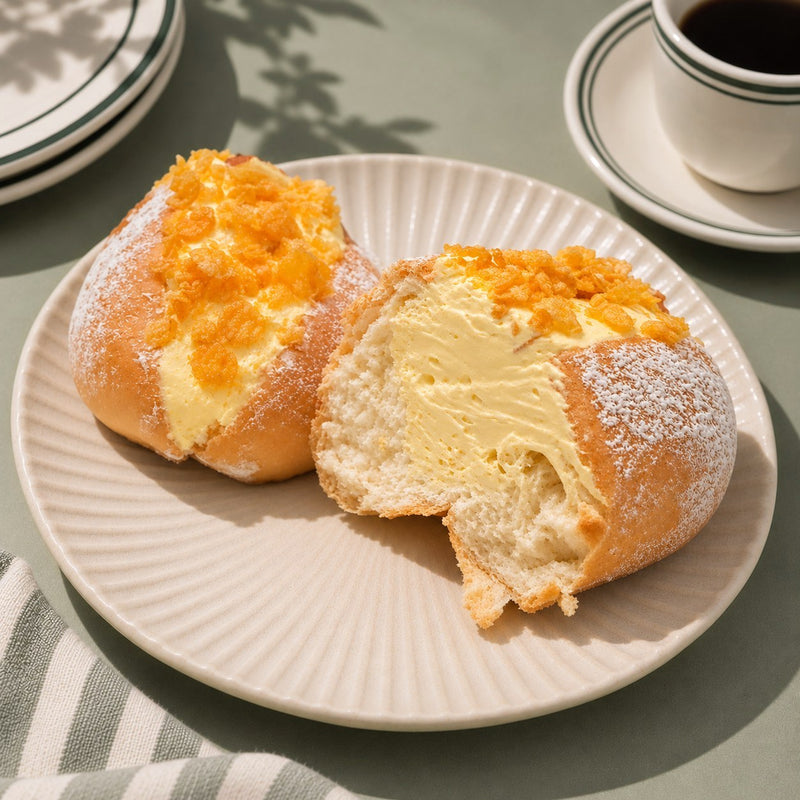
Anpan (あんパン) is a soft Japanese bun with a sweet filling inside. The original was filled with red bean paste at Kimuraya, a Tokyo bakery, in the 1870s. Fillo Bakes, an eggless Japanese-inspired bakery in Bengaluru, bakes seven anpan. All are eggless, and all are filled with cream rather than red bean.
-
 Guide
How to keep milk bread
The honest version: where to keep a milk loaf, where not to, and what we have not measured yet.


Nothing here yet. Try another filter.