

At a glance
- Shokupan (食パン) is Japanese milk bread, baked tall in a lidded tin and cut thick.
- Supermarket white bread is made to be sliced thin and kept in a bag; shokupan is finer and slightly sweeter.
- Pav is a small Indian roll baked joined in a tray. Its name, like the Japanese pan, comes from the Portuguese pão.
- Brioche is French and defined by egg and a lot of butter. Shokupan uses milk and far less fat.
- "Hokkaido milk bread" is a name used outside Japan for shokupan-style loaves.
- Fillo's four shokupan loaves are eggless and vegetarian, ₹200 to ₹250, whole or sliced.
How do they compare?
The five breads side by side. Read "usually" as usually: recipes vary by bakery and brand, and the label always wins.
| Shokupan | Supermarket white sandwich bread | Pav | Brioche | Hokkaido milk bread | |
|---|---|---|---|---|---|
| Crumb | Very fine and soft; pulls apart in sheets | Soft and even, often cottony | Light and soft, a little more open | Tender, rich, yellowish, close to cake | Very soft, like shokupan |
| Crust | Thin, soft, pale gold | Thin and soft | Soft golden top, pale sides where the rolls touched | Thin, deep brown, glossy | Thin and soft |
| Sweetness | Lightly sweet | Mild | Plain to faintly sweet | Noticeably sweet and rich | Lightly sweet |
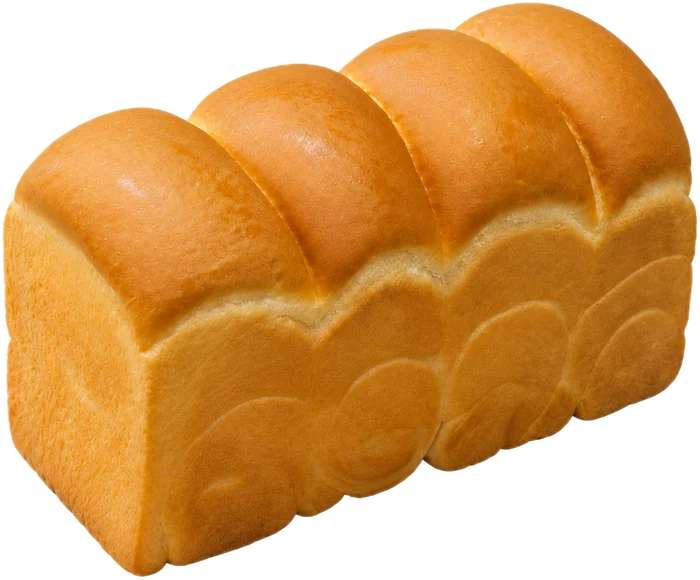
| Shape | Tall square loaf, sliced thick | Rectangular loaf, sliced thin | Small square rolls baked joined in a tray | Loaf, buns, or the classic topknot | Loaf, often with rounded humps |
| Typical fat | Butter, plus milk | Usually vegetable fat or oil | A little butter or oil | A lot of butter | Butter, milk, sometimes cream |
| Egg, usually? | Sometimes | Usually no | Usually no | Yes | Often |
| Best for | Thick toast, sandos, eating plain | Everyday sandwiches, bread pakora | Pav bhaji, vada pav, misal | French toast, burgers, with jam | Toast, eating plain |
What is the difference between shokupan and white bread?
Shokupan is softer, finer, taller and slightly sweeter than supermarket white bread. Both are white sandwich loaves, built for different jobs.
The packet loaf on an Indian shelf is made to be sliced thin, keep its shape in a bag and turn into a quick sandwich or a tiffin. Its crumb is soft but can feel cottony, and it squashes flat when you press it.
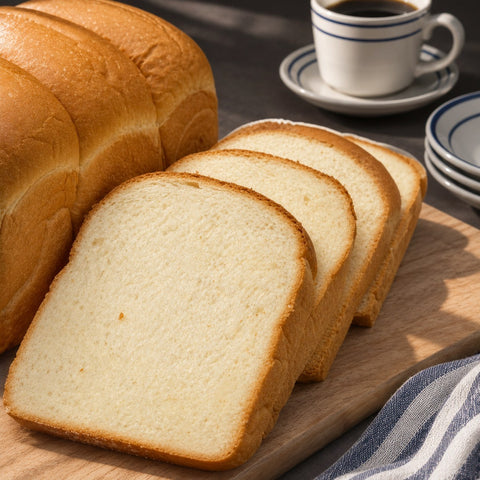
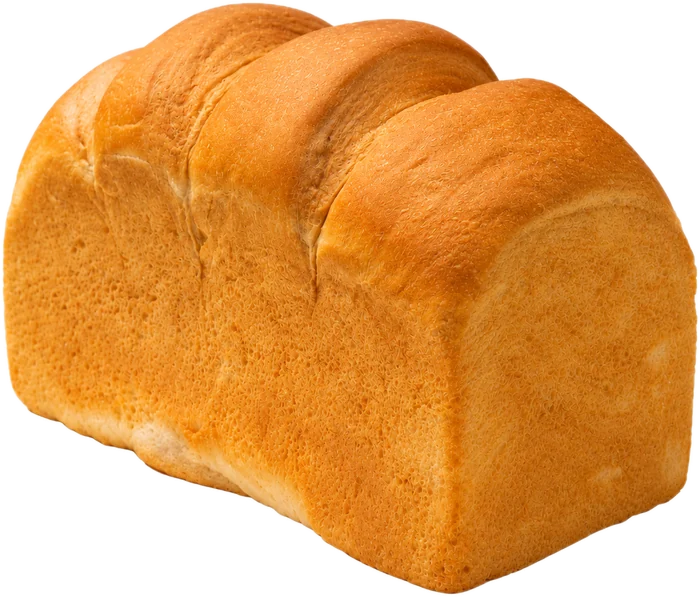
Shokupan is made with milk and butter and baked tall, usually in a lidded Pullman tin, so the slice is square and the crust thin. The crumb is fine and springy. Pulled apart, it comes away in soft sheets instead of crumbs. The Japanese have a word for that texture, covered in what is fuwa fuwa. It is cut thick, because the point is the bread, not what goes on it.
"Cut it 2 cm thick." — Fillo Bakes
Is shokupan the same as pav?
No. Pav is a small, soft Indian bread roll, and shokupan is a large Japanese loaf. They share a family resemblance and, oddly, a word. Pav came to Goa with the Portuguese, and its name comes from pão, Portuguese for bread. The Japanese pan comes from the same word, brought by Portuguese traders and missionaries.
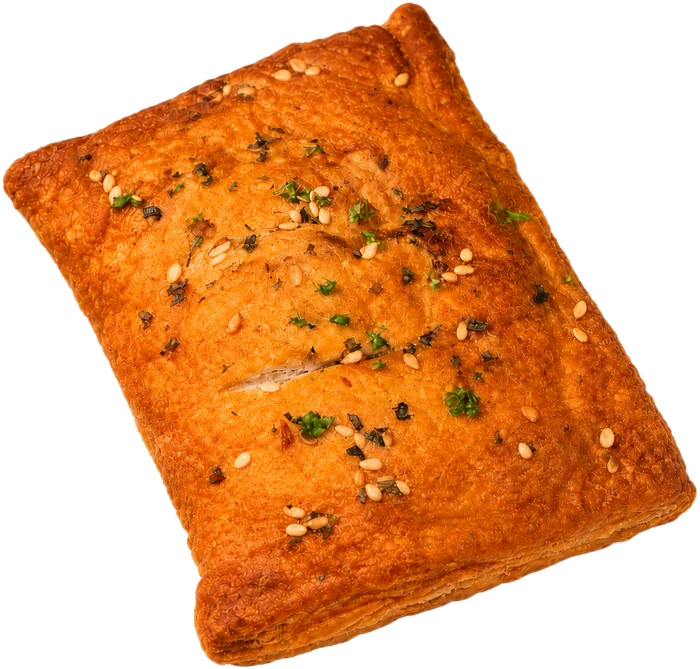
The difference shows in the eating. Pav is baked as a tray of rolls packed tight, so the tops brown and the sides stay pale and tear apart. It is plain enough to carry bhaji, a vada or butter off the tawa. Shokupan is sweeter, richer with milk and finer in the crumb. It is the loaf you eat on its own with filter coffee, not the roll you use to mop a plate.
Is shokupan like brioche?
Only a little. Both are enriched breads, meaning dough with fat and sugar added, but brioche goes much further.
Brioche is French and defined by its high egg and butter content. The crumb is yellow and rich, the crust deep brown and shiny from an egg wash, and it eats closer to cake. Shokupan uses milk and much less fat. It is lighter, whiter and less sweet, and egg is optional rather than the point. The full answer on egg is in is shokupan eggless.
Is Hokkaido milk bread the same as shokupan?
Yes, in practice. "Hokkaido milk bread" is a name used mostly outside Japan for a soft shokupan-style loaf, a nod to Hokkaido's dairy farms. In Japan it is simply shokupan.
The one difference worth knowing: recipes published as Japanese or Hokkaido milk bread often include egg, and some add cream. Plain shokupan is frequently made without either. The other Japanese loaves and buns are in types of Japanese bread.
Which bread should you use for what?
Each of these breads is good at something.
- Pav bhaji, vada pav, misal: pav. Nothing else tears and mops like it.
- A quick tiffin sandwich or bread pakora: supermarket white. It is made for this.
- French toast or a burger bun: brioche. The richness is the point.
- Thick toast with butter, or a sando: shokupan. Cut it thick and toast it lightly so the inside stays soft.
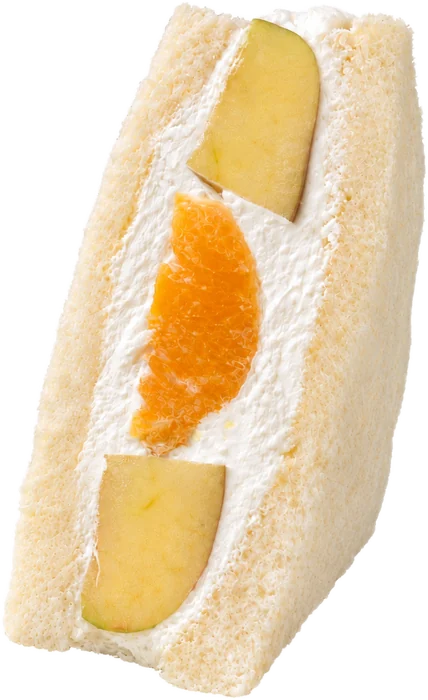
- A fruit sando: shokupan, crusts off. The bread is soft enough to bite through cream cleanly. Our Fruit Sando, ₹179, is milk shokupan, whipped cream and seasonal fruit.
Which Fillo shokupan should you try?
All four are the same soft shokupan crumb, eggless and vegetarian, whole or sliced.
| Loaf | What it is | Price | Good for |
|---|---|---|---|
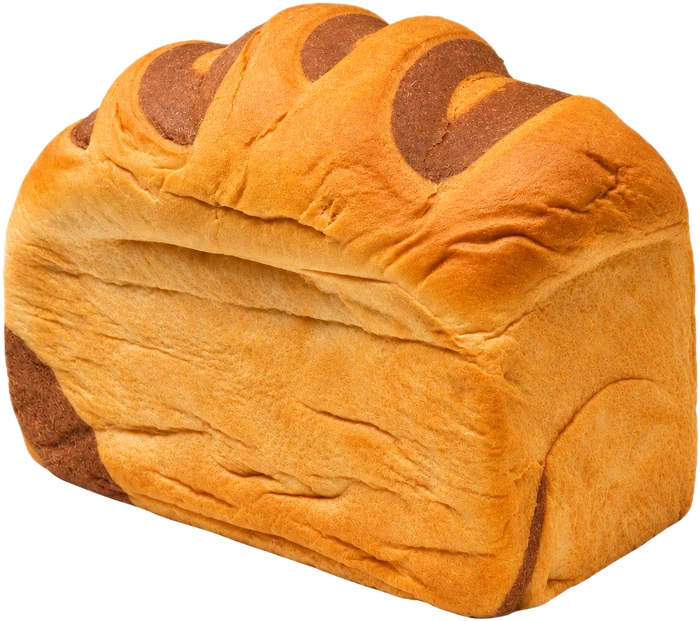
| Milk Shokupan | The plain milk loaf the bakery started with | ₹200 | Toast, sandos, a first loaf |
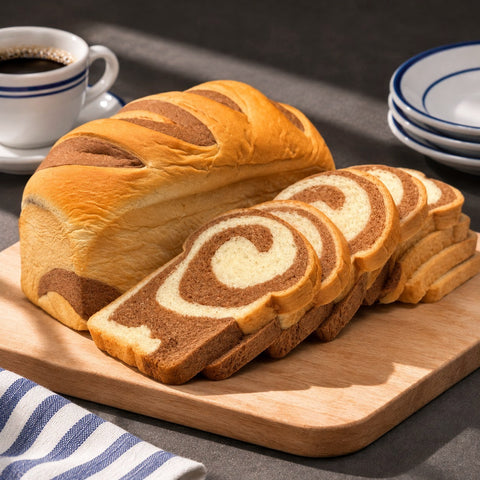
| Marble Shokupan | Chocolate dough folded through milk shokupan | ₹200 | Plain with coffee |
| Chocolate Shokupan | Chocolate through the whole dough | ₹250 | Toast; less sweet than cake |
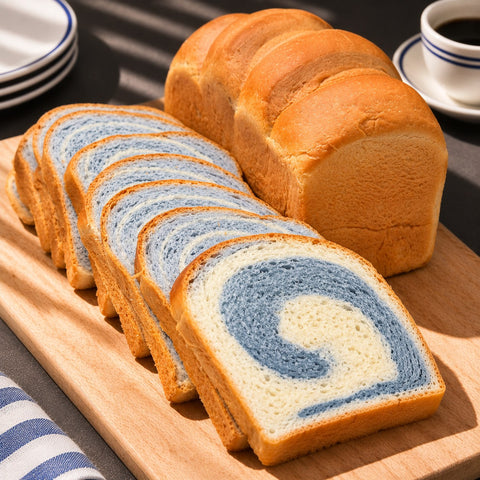
| Blue Pea Shokupan | Coloured by butterfly pea flower | ₹250 | Children, toast, jam |
Torn between the two chocolate loaves, see marble vs chocolate shokupan. Order on the shokupan page. Delivery is same day in two-hour slots across Bengaluru, free within 2 km or over ₹500. More on the loaf itself is in what is shokupan.
Sources
- Wikipedia, Shokupan: ingredients, the Pullman-style tin, the Hokkaido milk bread name.
- Wikipedia, Brioche: high egg and butter content, egg wash, French origin.
- Wikipedia, Glossary of Japanese words of Portuguese origin: pan from pão.
- Live History India, Pav from the nau: India's Portuguese food trail: pav from the Portuguese in Goa.
- King Arthur Baking, Japanese milk bread: a milk-bread recipe that uses egg.
Questions
What is the difference between shokupan and white bread?
Shokupan is softer, finer and slightly sweeter than ordinary white bread, and is baked as a tall square loaf with a thin crust. It is made with milk and butter and cut thick, while supermarket white bread is made to be sliced thin for everyday sandwiches.
Is shokupan the same as pav?
No, shokupan is a large Japanese milk loaf and pav is a small Indian bread roll baked in a tray. Both words come from the Portuguese pão, but shokupan is sweeter, richer with milk and finer in the crumb.
What is the difference between milk bread and brioche?
Brioche is much richer than milk bread, with a high egg and butter content. Milk bread such as shokupan uses milk and far less fat, so it is lighter, whiter and less sweet, and egg is optional.
Does pav have egg?
Pav usually has no egg. It is typically made with flour, yeast, a little sugar, salt and butter or oil, but recipes vary, so check the label or ask the bakery.
Can I use shokupan for pav bhaji?
You can, but pav does the job better. Shokupan is sweeter and softer, so it suits thick toast, sandos and eating plain more than mopping up bhaji.
Is shokupan softer than brioche?
Shokupan is usually softer and lighter than brioche, with a finer, springier crumb. Brioche is tender but denser and richer, because of its egg and butter.