


At a glance
- Kissaten (喫茶店) means "tea-drinking shop". People often shorten it to kissa.
- Kahiichakan (可否茶館), opened in Ueno, Tokyo, in 1888, is often cited as Japan's first modern coffee house.
- Japan had more than 155,000 kissaten at the 1981 peak and roughly 60,000 by 2021, according to All Japan Coffee Association estimates.
- The classic menu: thick toast, a morning set, pizza toast, napolitan spaghetti, cream soda, purin and siphon coffee.
- Fillo is a bakery that delivers across Bengaluru. It has no café.
What does kissaten mean?
Literally, a shop for drinking tea. In practice it means coffee. The word separates the old, independent coffee house from the modern chain café, and it carries a mood: wood panelling, velvet booths, a counter, jazz or nothing at all, and an owner who has made coffee the same way for decades.
A junkissa (純喫茶) is a "pure" kissaten, one that serves coffee and simple food and no alcohol. The term came into vogue in the 1960s, and faded 純喫茶 signs are still how people spot the old ones.
When did kissaten start?
In the Meiji era, slowly.
- 1888. Tei Eikei opens Kahiichakan in Ueno, Tokyo, a salon with coffee, books and room to talk. It closes within a few years.
- 1920s. Kissaten begin to flourish in the cities.
- Shōwa era, 1926 to 1989. The golden age, especially after the war, as kissaten spread from cities to regional towns.
- 1981. The count peaks at more than 155,000.
- Late 1990s on. Chains with bright rooms and fast service, such as Doutor and Starbucks, take the trade. Owners retire without successors.
- 2020s. A Shōwa-retro revival brings younger customers back to the old rooms.
What do you eat at a kissaten?
Toast, mostly, and things that go with coffee.
| Dish | What it is |
|---|---|
| Thick toast | A slice of shokupan cut about an inch thick, called atsugiri (厚切り), toasted and buttered |
| Morning set | Thick toast, an egg, a small salad and a hot drink at one price. In Nagoya some cafés add far more |
| Pizza toast | Shokupan topped like a pizza and toasted. Café Benisica in Yūrakuchō, Tokyo, says it invented it, with the date usually given as around 1964 |
| Napolitan | Spaghetti in a sweet, ketchup-led tomato sauce, a Western-style Japanese dish |
| Cream soda | A bright soda with a scoop of ice cream floating on top |
| Purin | Custard pudding with caramel, often served in a silver bowl |
| Siphon coffee | Coffee brewed in a two-chamber glass vacuum brewer, at the counter |
Siphon coffee is the theatre of the place. Heat pushes water from the lower glass chamber up to the grounds in the upper one, and when the heat comes off, the brewed coffee is drawn back down through a filter.
Is there anything like a kissaten in Bengaluru?
Not exactly, but the feeling is familiar. An old darshini or an Iyengar bakery counter, a steel tumbler and dabara of filter coffee, a bun with butter, a regular who never needs to order: that is the same idea in a different language. Sweet bread and strong coffee is not news here.
How do you set a kissa-style table at home?
Start with the bread, since a kissaten is built on toast. You don't need a siphon. Filter coffee does the job.
| At a kissaten | At home, with Fillo |
|---|---|
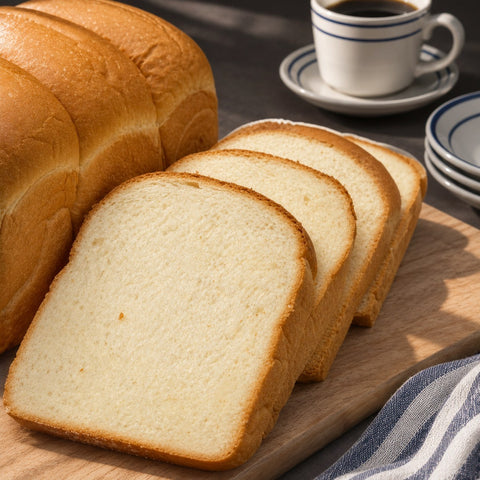
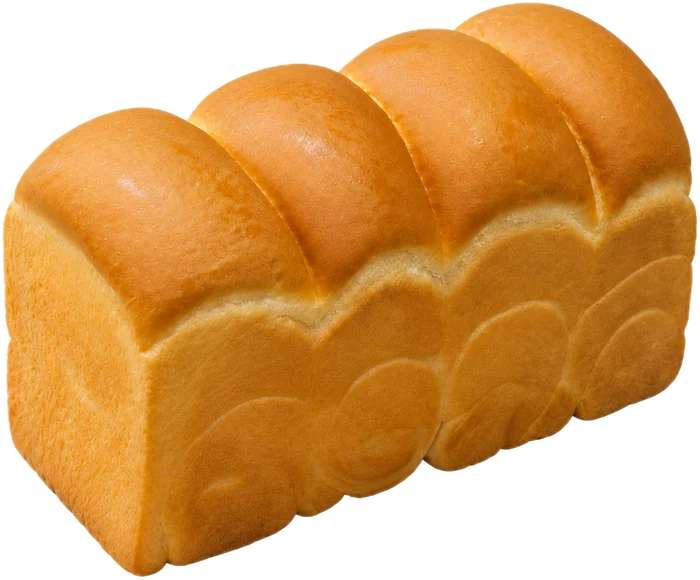
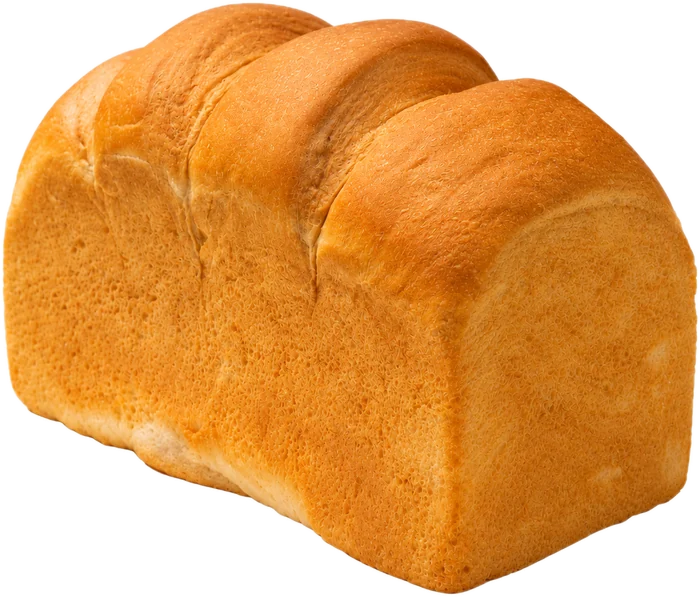
| Thick toast | Milk Shokupan, ₹200, cut 2 cm thick, toasted, buttered |
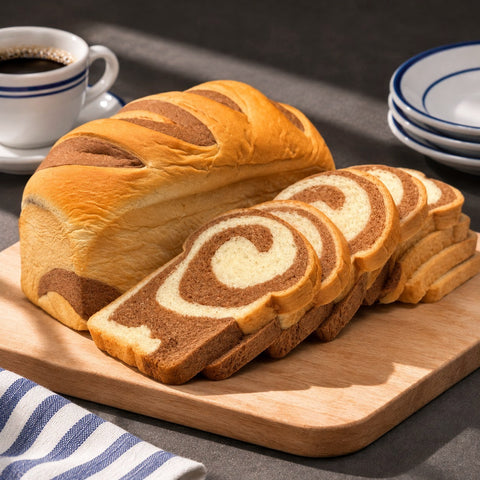
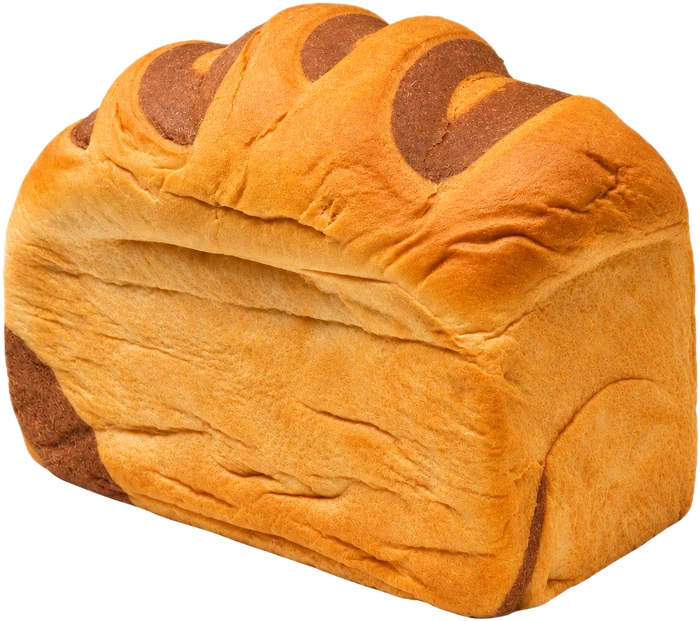
| Sweet toast with coffee | Marble Shokupan, ₹200, good with coffee and nothing else |
| Pizza toast | A thick slice of Milk Shokupan with tomato, capsicum and cheese, under the grill |
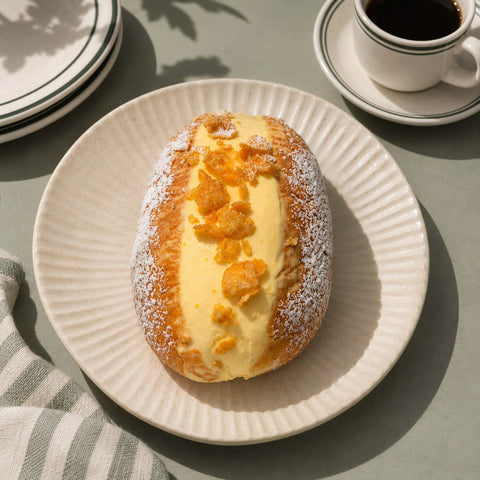
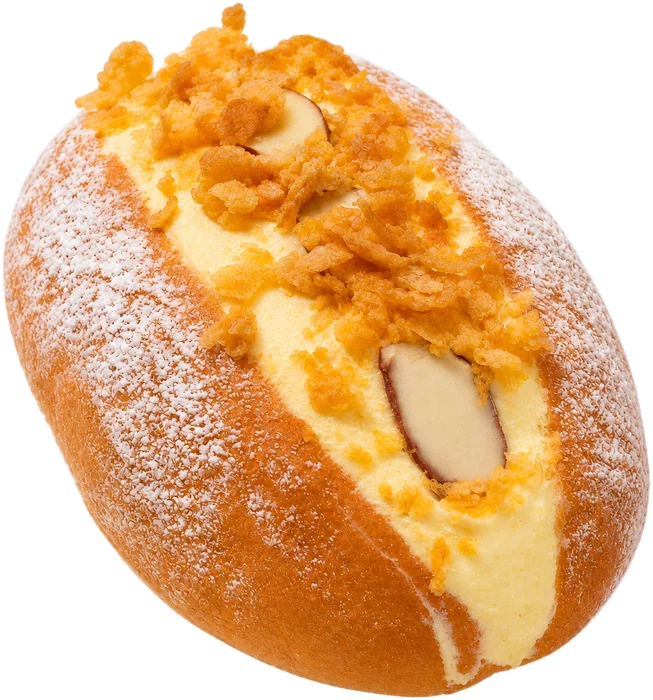
| Purin | The Custard Anpan, ₹169, eggless custard cream in a soft bun |
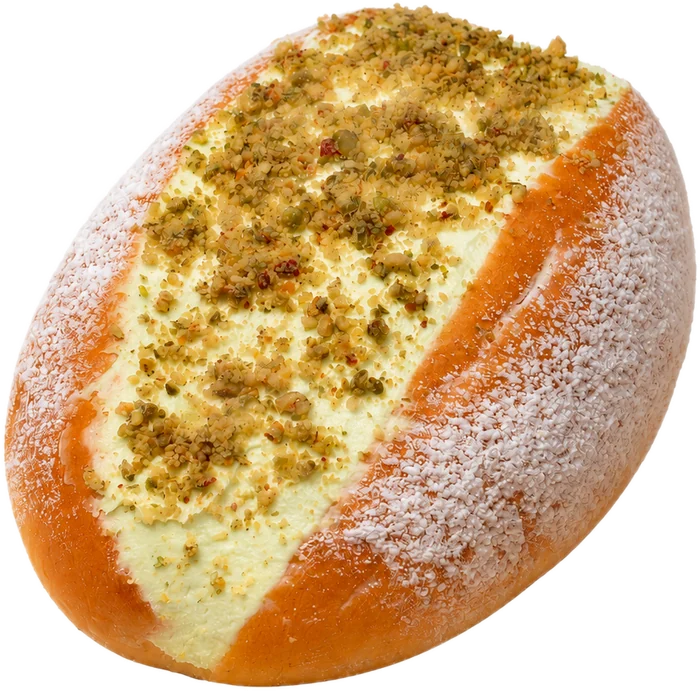
| Coffee dessert | The Tiramisu Anpan, ₹199, mild rather than bitter |
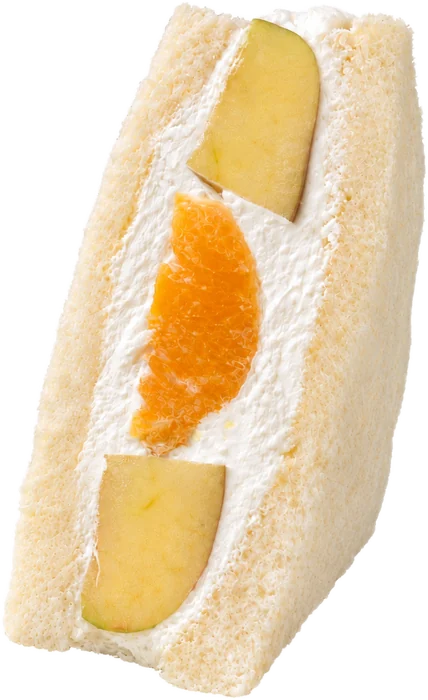
| Fruit | A Fruit Sando, ₹179, the fruit-parlour cousin of the kissaten |
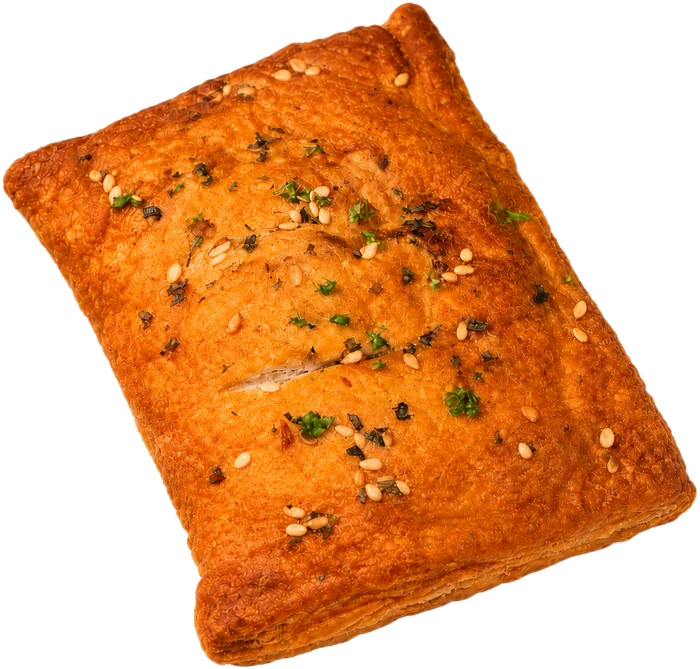
| Something savoury | The Kyoto Curry, ₹129, a mild Japanese-style vegetable curry strudel |
"Cut it 2 cm thick." — Fillo Bakes
The Tiramisu Anpan is best with a second coffee, which rather defeats the point. At a kissa table, that is the point. For more ways with the loaf, see how to eat shokupan. To pick a bun, see which anpan to try first. For the vocabulary, from atsugiri to yōshoku, see the Japanese bakery glossary, and for the breads themselves, types of Japanese bread.
Sources
- Kissaten, Wikipedia
- Kissaten: Japan's old-school coffee shops, Japan National Tourism Organization
- The fascinating history behind Japanese kissaten, Metropolis Japan
- The Shōwa-era nostalgia of Japan's coffee shops, Semafor
- Benisica, Time Out Tokyo
- Siphon coffee, Wikipedia
Questions
What does kissaten mean in English?
Kissaten (喫茶店) means "tea-drinking shop", but in practice it is a traditional Japanese coffee house. The short form is kissa.
What is the difference between a kissaten and a café?
A kissaten is an old-style, usually independent coffee house with a fixed, Shōwa-era character; a café is any modern coffee shop, including the chains. Kissaten are known for siphon coffee, thick toast and long-serving owners.
What is the most famous kissaten food?
Thick buttered toast is the most famous kissaten food, followed by pizza toast. Both are made on shokupan, the Japanese milk loaf.
What was the first kissaten in Japan?
Kahiichakan, opened in Ueno, Tokyo, in 1888, is often cited as the first. It closed within a few years.
Does Fillo have a kissaten or a café?
No. Fillo is a bakery that delivers across Bengaluru the same day, in two-hour slots. The bread is made for a kissa-style table at home.
Which Fillo bread is best for kissaten-style thick toast?
The Milk Shokupan, ₹200, cut 2 cm thick. It has a fine, pillowy crumb and a square slice that holds its shape in a toaster.