


At a glance
- Fuwa fuwa (ふわふわ): soft, light, fluffy. Used for bread, pancakes, whipped cream and futons.
- It belongs to a large family of Japanese sound-and-texture words, many built by doubling a short sound.
- Related food words: mochi mochi (chewy), saku saku (light and crisp), kari kari (hard and crunchy).
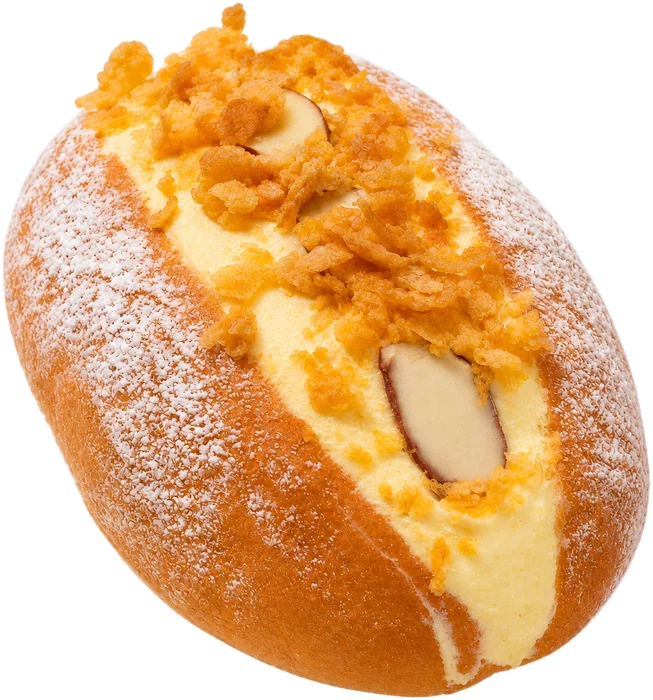
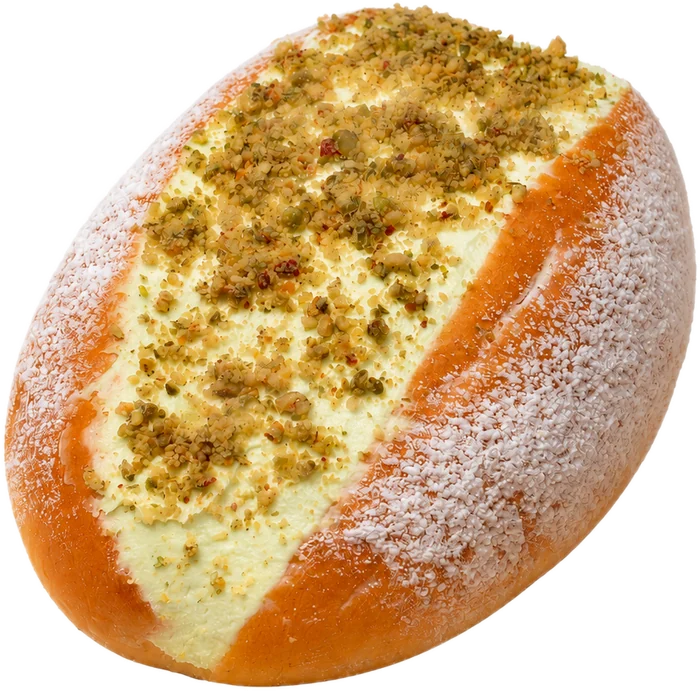
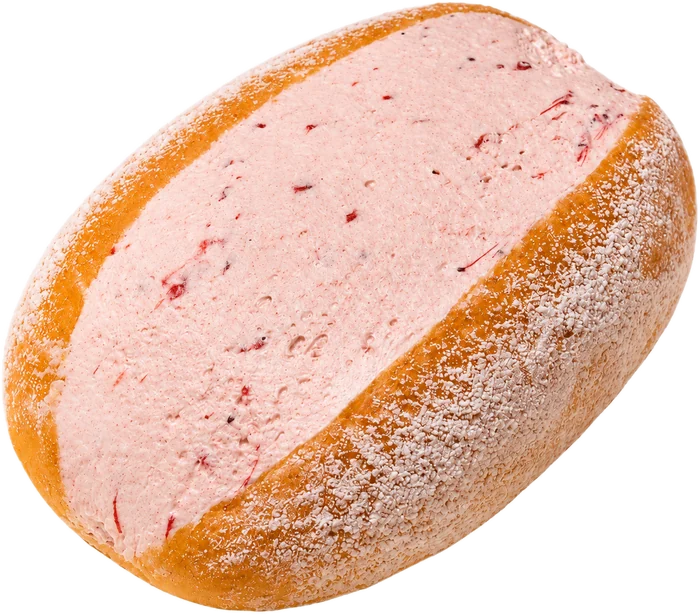
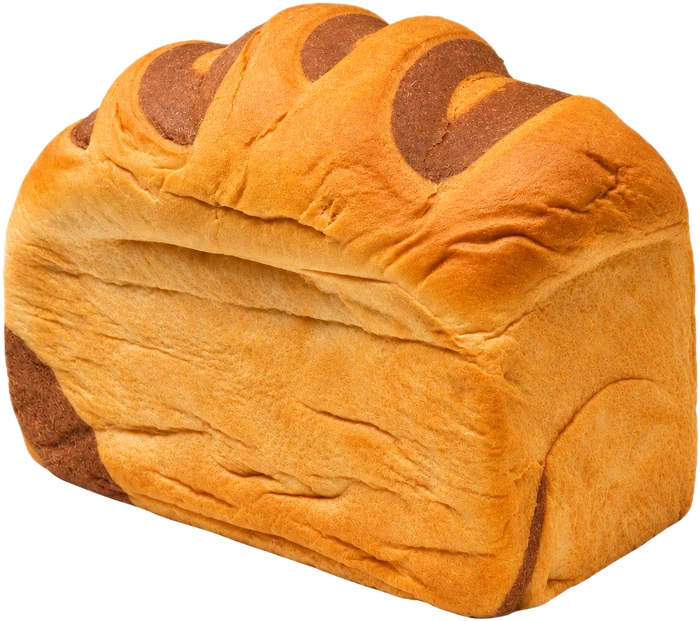
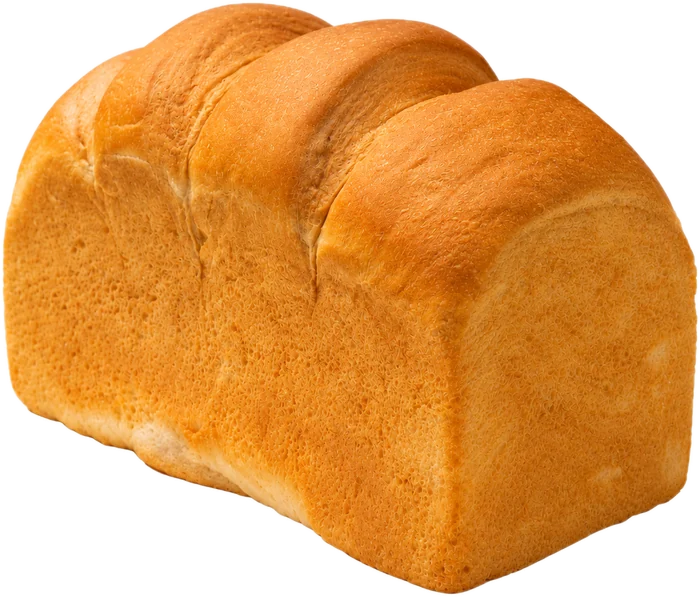
- At Fillo, the fuwa fuwa bakes are the four shokupan loaves and the seven anpan.
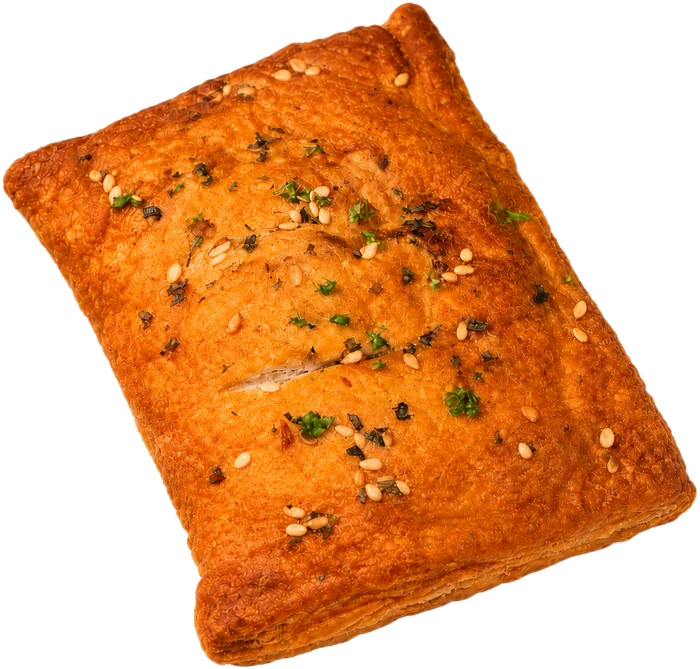
- The saku saku bakes are the seven strudels.
What does fuwa fuwa mean, exactly?
Soft, airy and light, the way something feels when it gives under a finger and springs back slowly. Dictionaries gloss it as "fluffy", "airy" and "light, like a pillow or foam", and as "softly, gently". The same word describes a cloud drifting past, which tells you it is about lightness as much as softness.
In Japanese it is written in hiragana, ふわふわ, or in katakana, フワフワ, for emphasis. It works as an adverb or, with suru, as a verb: fuwa fuwa shita pan is "bread that is fuwa fuwa".
Is fuwa fuwa an onomatopoeia?
Loosely, yes. Strictly, it is a gitaigo. Gitaigo (擬態語) are Japanese words that describe a state or manner, something seen or felt, rather than a sound. Giongo (擬音語) imitate actual sounds, like zā zā for heavy rain. English speakers lump both under "onomatopoeia", and most Japanese food writing in English does the same.
Japanese uses these words far more freely than English does, and food is where you meet them most: on packets, menus and bakery labels.
What other Japanese words describe texture?
Most of them follow the same pattern: a short sound, said twice. These are the ones you will meet on a Japanese bakery shelf.
| Word | Kana | Means | Typical foods | At Fillo |
|---|---|---|---|---|
| Fuwa fuwa | ふわふわ | Soft, light, fluffy | Shokupan, pancakes, whipped cream | Milk Shokupan and the other loaves; all seven anpan |
| Mochi mochi | もちもち | Soft, chewy, with bounce | Mochi, dumplings, chewy doughnuts | Nothing on our menu aims for it |
| Saku saku | サクサク | Light, crumbly crisp | Flaky pastry, cookies, tempura | The strudels, such as Orchard Melt |
| Kari kari | カリカリ | Hard, crunchy crisp | Crisp bacon, fried chicken, a crumbed karepan shell | Nothing; karepan is not on our menu |
| Pari pari | パリパリ | Thin, snapping crisp | Potato chips, crisp seaweed | Not on our menu |
| Hoku hoku | ほくほく | Soft, crumbly and warm | Steamed sweet potato, chestnut | Closest is the potato in Bangalore Bloom |
| Shittori | しっとり | Moist, tender, not wet | Castella, a well-wrapped cake | Not one we claim |
Japanese writing uses either script for these. We give the most common spelling.
Which Fillo bakes are fuwa fuwa?
The breads and the buns.
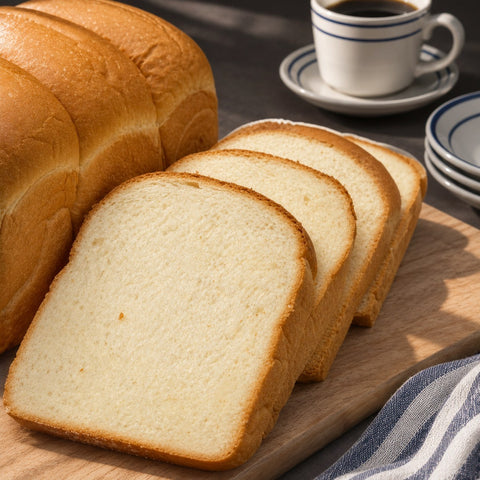
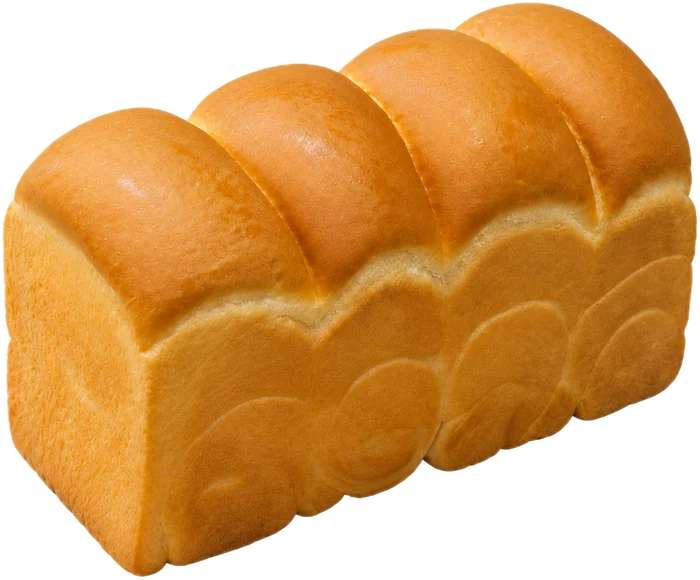
- The shokupan. The Milk Shokupan, ₹200, is the loaf the bakery started with: a fine, pillowy crumb that tears in soft sheets. The Marble, Chocolate and Blue Pea Shokupan use the same soft crumb. The guide to shokupan explains the loaf.
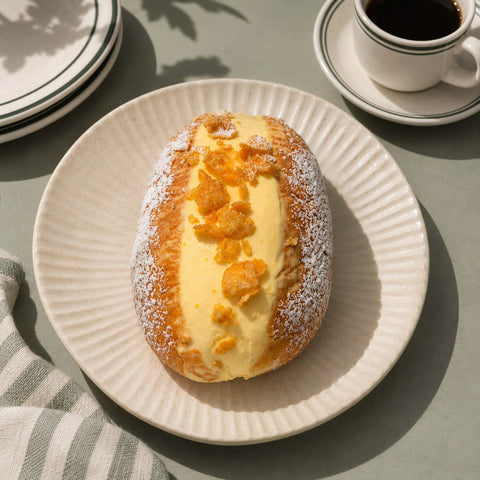
- The anpan. Each of the seven is a soft milk bun with a cream filling, starting with the Custard Anpan, ₹169. It is a bun, not a pastry, so the outside stays tender.
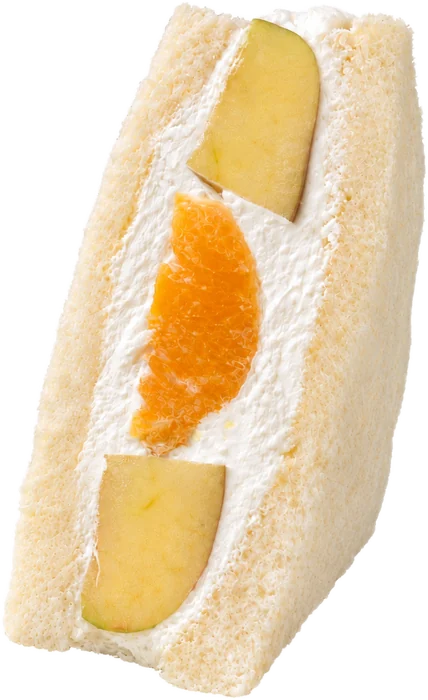
- The fruit sandos. Crustless Milk Shokupan with whipped or custard cream and seasonal fruit. Soft bread, softer cream.
"Tear it, don't slice it. It gives up in soft sheets." — Fillo Bakes
News Karnataka called it a "soft, pillowy texture". That is fuwa fuwa in English.
Which Fillo bakes are saku saku?
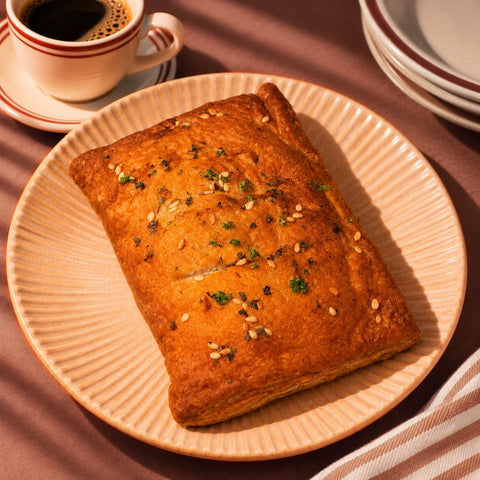
The strudels. The five savoury ones, Bangalore Bloom, Kyoto Curry, Korean Whisper, Calcutta Blaze and Umami Melt, are wrapped in pastry, and the two sweet strudels, Orchard Melt and Mawa Melt, are folded in crisp layers. The Korean Whisper, ₹129, comes in a flaky shell. The Kyoto Curry, ₹129, is a mild Japanese-style vegetable curry in golden pastry. A few minutes in a hot oven brings the pastry back as if just baked.
So the menu splits roughly in two: soft bread on one side, crisp pastry on the other. Order one of each and you have the two textures Japanese bakeries are built around.
How do you keep shokupan fuwa fuwa?
Cut it thick and don't crush it. A thin slice dries and stiffens faster than a thick one, which is why the bakery says to cut it 2 cm thick. Tear rather than saw where you can. For toast, French toast and sandos, see how to eat shokupan. For more Japanese bakery words, see the Japanese bakery glossary, and for the wider family of breads, types of Japanese bread.
Sources
- ふわふわ, Wiktionary
- Japanese sound symbolism, Wikipedia
- Japanese onomatopoeia, Nippon.com
- What does "pari-pari" mean?, Morinaga
- Japanese food sounds, Tokyo Treat
Questions
What does fuwa fuwa mean in English?
Fuwa fuwa means soft, light and fluffy. It is used for bread, pancakes, whipped cream and anything that feels like a pillow.
How do you write fuwa fuwa in Japanese?
Fuwa fuwa is written ふわふわ in hiragana, or フワフワ in katakana for emphasis. Both are common on Japanese bakery packaging.
What is the difference between fuwa fuwa and mochi mochi?
Fuwa fuwa is light and fluffy; mochi mochi is soft but chewy, with a springy bounce. A slice of shokupan is fuwa fuwa. A rice cake is mochi mochi.
What does saku saku mean?
Saku saku means a light, crumbly crispness, like flaky pastry or a cookie. Fillo's strudels are saku saku.
Is Japanese milk bread fuwa fuwa?
Yes, a good shokupan is the textbook example of fuwa fuwa. Fillo's Milk Shokupan has a fine, pillowy crumb that tears in soft sheets.
Is fuwa fuwa bread made with egg?
Not necessarily. Fluffiness comes from the dough and how it is made, not from egg alone. Every Fillo bake, including the shokupan, is eggless.