

At a glance
- Shokupan (食パン) is the soft, square Japanese milk loaf. Egg is optional, not part of the definition.
- Recipes sold as "Japanese milk bread" or "Hokkaido milk bread" often include a whole egg.
- In India, egg counts as non-vegetarian on food labels, so a packet with the green vegetarian mark should not contain it.
- All four Fillo loaves are eggless and vegetarian, from ₹200, whole or sliced. Not vegan: they contain wheat and dairy.
- Same-day delivery across Bengaluru in two-hour slots.
| What it is | Shokupan (食パン), the soft, square Japanese milk loaf |
| Eggless? | Sometimes. It depends on the recipe and the bakery |
| At Fillo | Always eggless, and vegetarian. Not vegan: it contains milk, butter and wheat |
| Price | Milk Shokupan ₹200, loaf or sliced |
| Where | Order on the shokupan page, delivered same day in Bengaluru |
Does shokupan have egg in it?
It depends on who made it. Shokupan is a style, not a fixed recipe. A plain shokupan, like the widely followed recipe on Just One Cookbook, uses flour, water, milk powder, sugar, honey, butter, salt and yeast, and no egg. Its softness comes from the dough, the milk and the time it is given.
Egg comes in with richer versions. Wikipedia's own description of shokupan lists eggs as "often" included. Recipes sold as "Japanese milk bread", such as King Arthur's, call for a whole egg in the dough and suggest an egg wash for a shinier crust. Sweet buns made from a similar dough are often brushed with egg even when the dough has none.
So "shokupan" on a label tells you the style, not the recipe. More on the loaf itself is in what is shokupan.
Which breads usually contain egg?
A rough guide to Indian shelves. "Usually" is doing real work here; the label always wins.
| Bread | Usually contains egg? | Why |
|---|---|---|
| Shokupan | Sometimes | Plain recipes have none; richer bakery versions add it |
| Hokkaido or Japanese milk bread | Often | Many published recipes use a whole egg |
| Japanese sweet buns (anpan and similar) | Often | Egg in the dough, or brushed on top for shine |
| Brioche | Yes | High egg and butter content is what makes it brioche |
| Pav | Usually no | Flour, yeast, a little sugar, salt and fat |
| Supermarket white sandwich bread | Usually no | Most carry the green vegetarian mark; check the label |
| Anything Fillo bakes | No | Eggless by rule |
How these breads differ in crumb, crust and sweetness is in shokupan vs white bread vs pav.
How can you tell if a bread is eggless in India?
Look at the mark on the packet. Under FSSAI labelling rules, egg is a non-vegetarian ingredient. Packaged food with egg in it carries the brown non-vegetarian mark, a filled triangle in a square. Food with the green mark, a filled circle in a square, should not contain egg.
Anyone who has turned a biscuit packet over to check the dot knows this. At a bakery counter, where loaves are sold unwrapped, ask. A baker who knows their recipe will answer in a sentence.
Is eggless shokupan as soft?
It can be, but not by deleting an ingredient. Egg brings water and fat into a milk bread and helps the crumb set. Take it out of a recipe built around it and the loaf usually comes out drier and tighter.
The fix is to change everything else: a wetter dough and a longer, cooler ferment, shaped by hand in small batches. It took months of loaves that were nearly right before one was actually right. Why the bakery went eggless in the first place is in why eggless.
"We are not asking for credit for what we left out. We are asking you to notice what is still there." — Fillo Bakes
Is everything at Fillo eggless?
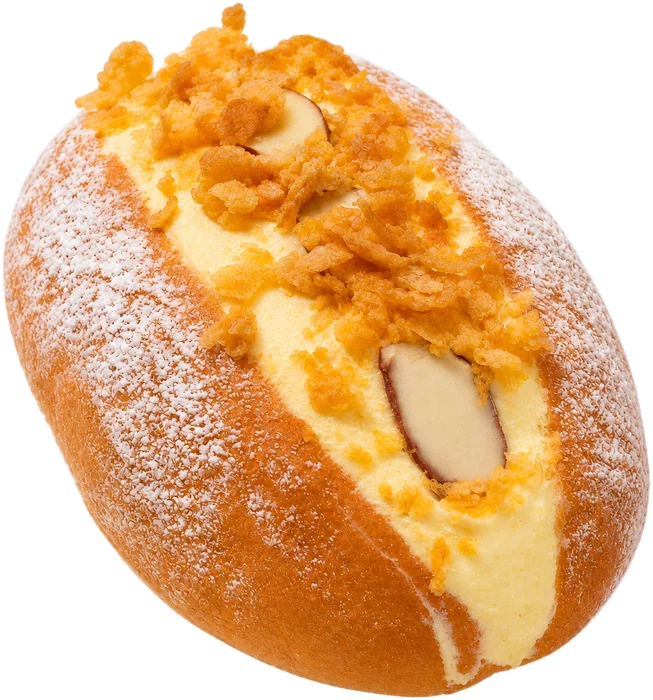
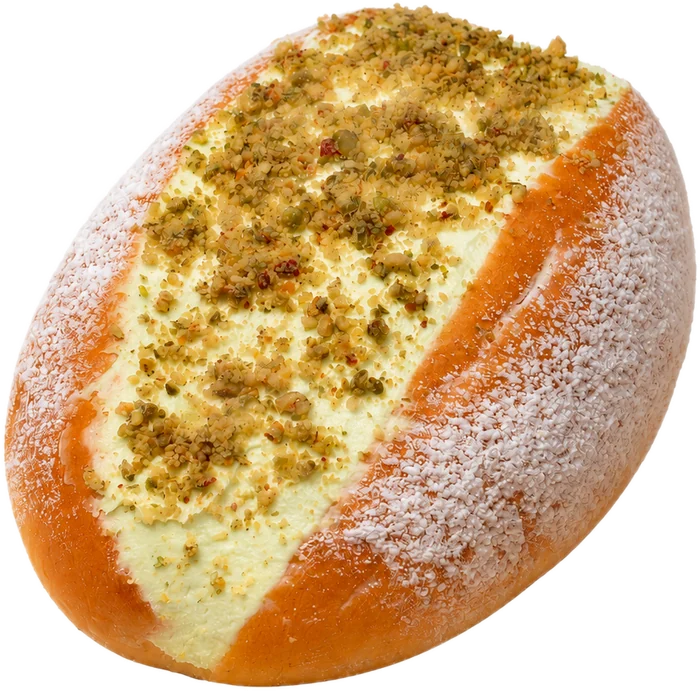
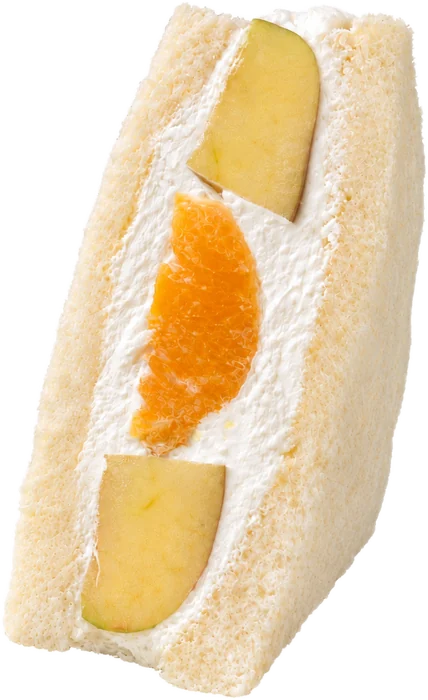
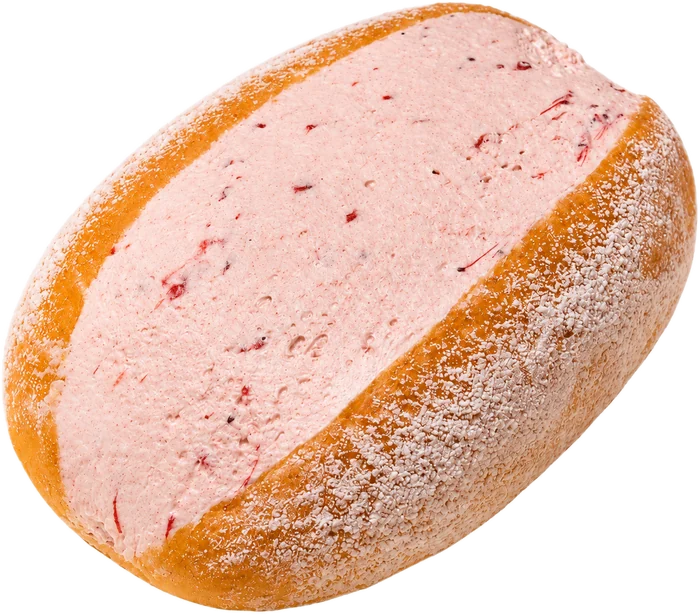
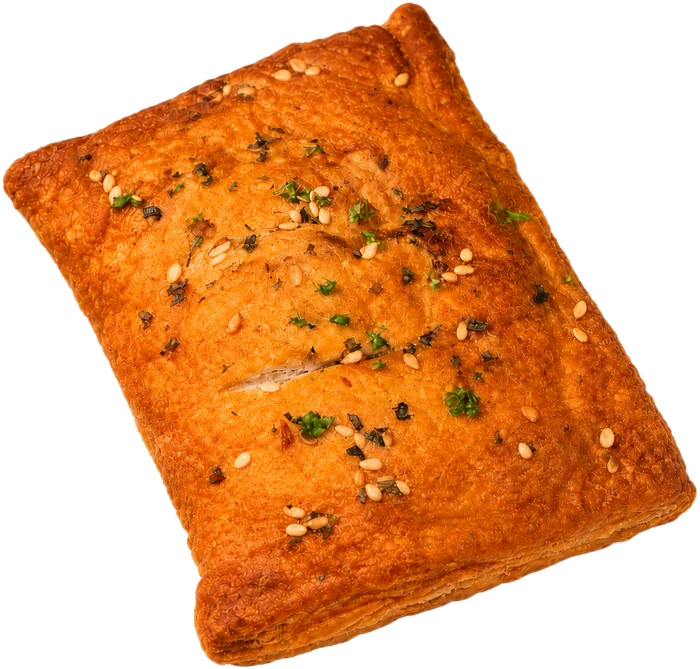
Yes. That covers the whole menu: the four shokupan loaves, the seven anpan, the three fruit sandos, and the strudels. There is no separate eggless range, because there is nothing else. Every product page lists egg under "Does not contain".
The loaves:
| Loaf | What it is | Price |
|---|---|---|
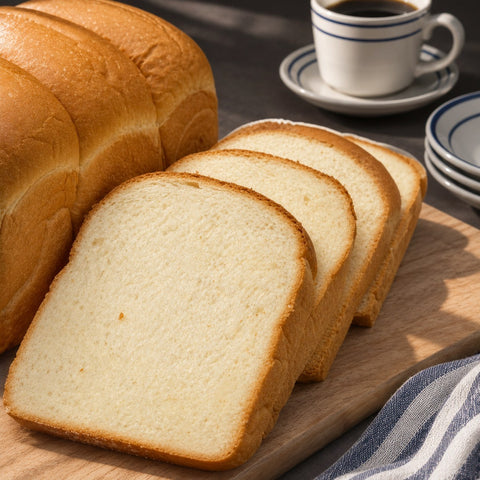
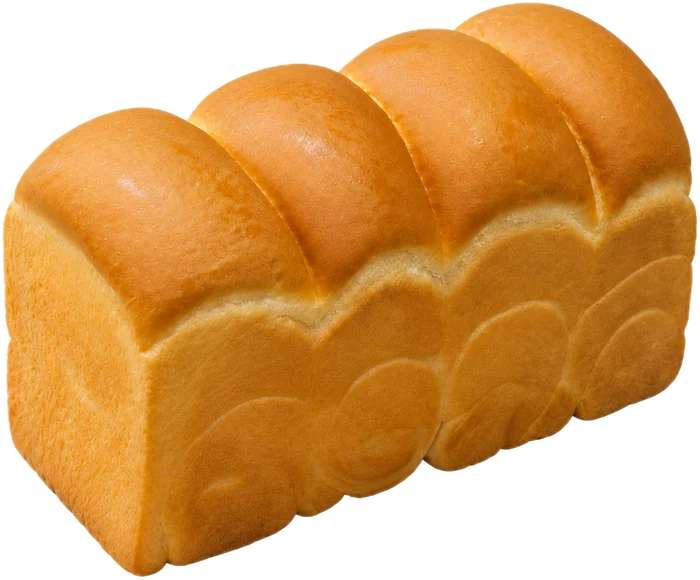
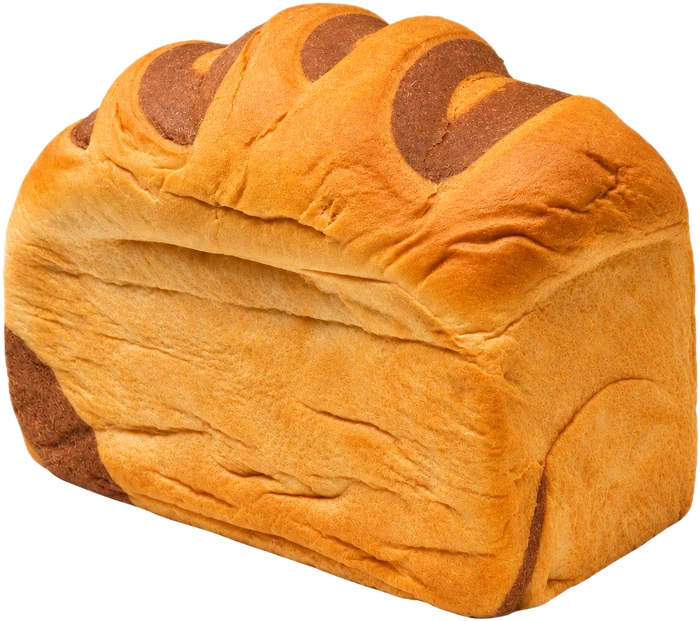
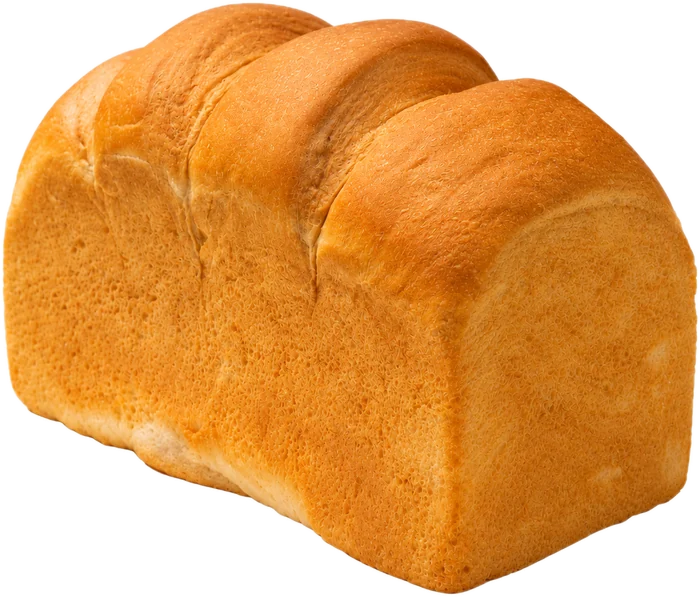
| Milk Shokupan | The loaf the bakery started with, and the one that took longest to get right without eggs | ₹200 |
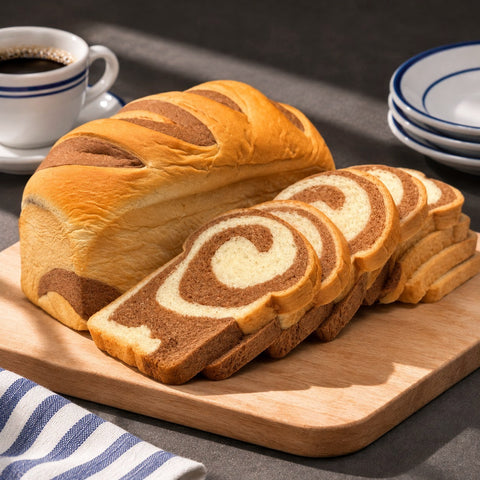
| Marble Shokupan | Chocolate dough folded through milk shokupan | ₹200 |
| Chocolate Shokupan | Chocolate through the whole dough | ₹250 |
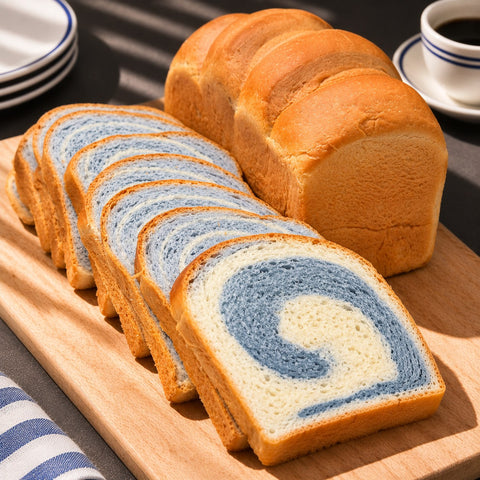
| Blue Pea Shokupan | Coloured blue by butterfly pea flower, no artificial colour | ₹250 |
Each comes whole or sliced, delivered same day across Bengaluru. For every other Japanese bread and whether we bake it, see types of Japanese bread.
Sources
- Wikipedia, Shokupan: typical ingredients, "often eggs".
- Just One Cookbook, Shokupan: a plain shokupan recipe with no egg.
- King Arthur Baking, Japanese milk bread: a milk-bread recipe with a whole egg and an optional egg wash.
- Wikipedia, Brioche: high egg and butter content.
- Beauty Without Cruelty India, Veg and non-veg symbols: the FSSAI marks, and egg as non-vegetarian.
Questions
Is shokupan eggless?
Shokupan is sometimes eggless and sometimes not. Plain recipes use flour, milk or water, sugar, salt, butter and yeast, but many bakery and milk-bread versions add egg, so check the label or ask.
Does Japanese milk bread have egg?
Japanese milk bread often has egg, especially recipes sold as "Hokkaido milk bread". Plain shokupan is frequently made without it, so the name alone will not tell you.
Is shokupan vegetarian in India?
Shokupan counts as vegetarian in India only when it is made without egg. Egg is a non-vegetarian ingredient under FSSAI labelling, so a shokupan with egg in the dough would carry the brown mark, not the green one.
Does eggless shokupan taste different?
Eggless shokupan tastes of milk and a little sweetness rather than egg, and the crumb is whiter. Made well, it is just as soft; the softness comes from a wetter dough and a longer, cooler ferment.
Is Fillo's shokupan vegan?
No, Fillo's shokupan is eggless and vegetarian but not vegan. It contains milk, butter and wheat.
Where can I buy eggless shokupan in Bengaluru?
You can order eggless shokupan from Fillo Bakes on fillobakes.com, with same-day delivery across Bengaluru. Order about an hour ahead for a same-day slot. The Milk Shokupan is ₹200.