

Milk Shokupan
₹200
fillo bakes
warming the oven
Baked fresh every morning. 10% off your first order over ₹500 with FILLO10. Two-hour delivery slots, every day. Bengaluru, every day.
Japan’s everyday loaf.
A fine, even crumb, a thin crust, and slices that pull apart in soft sheets. Delivered to your door.
What it is
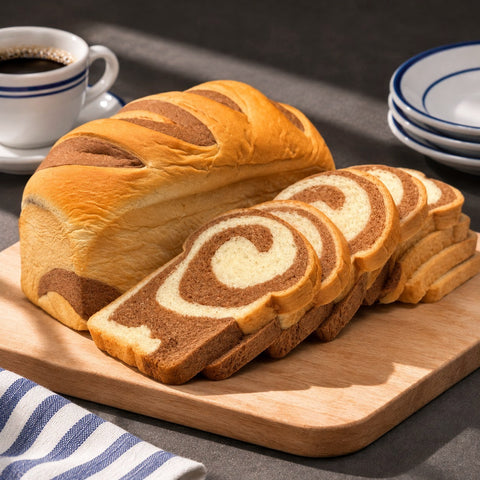
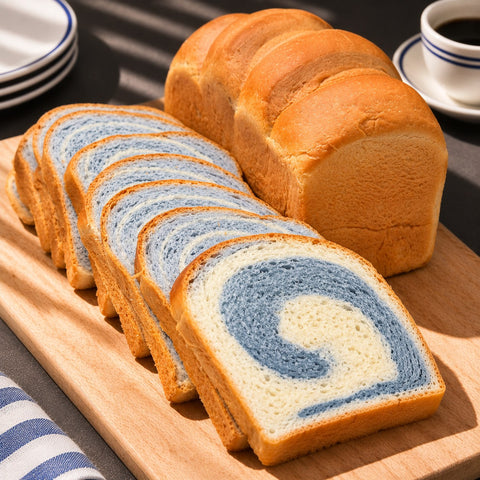
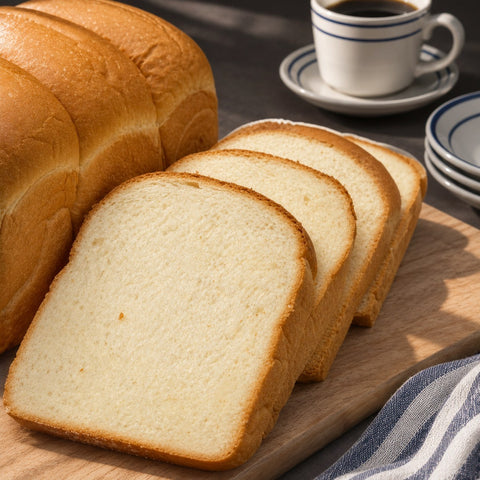
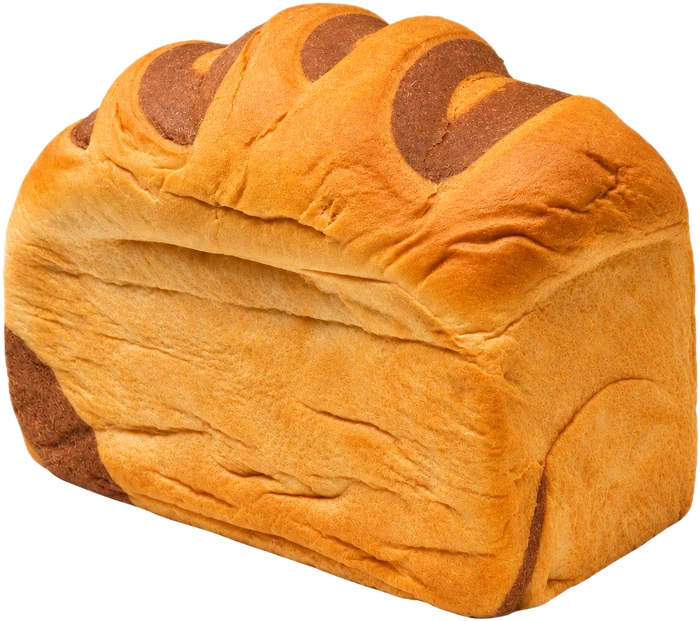
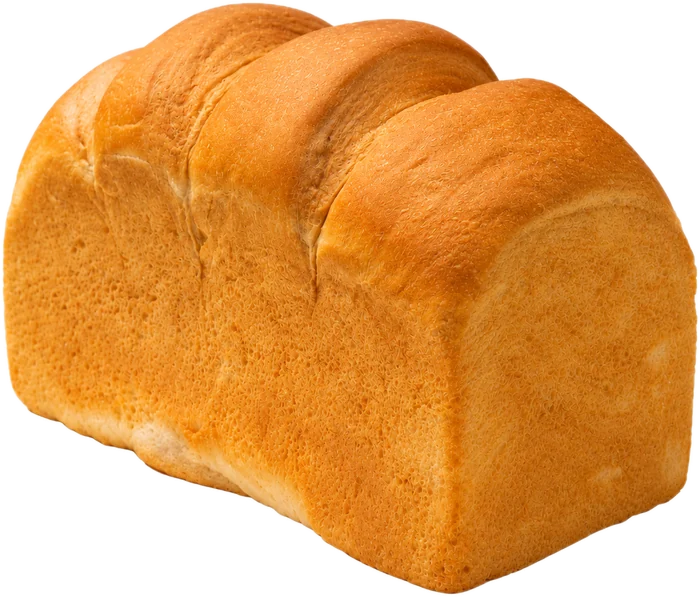
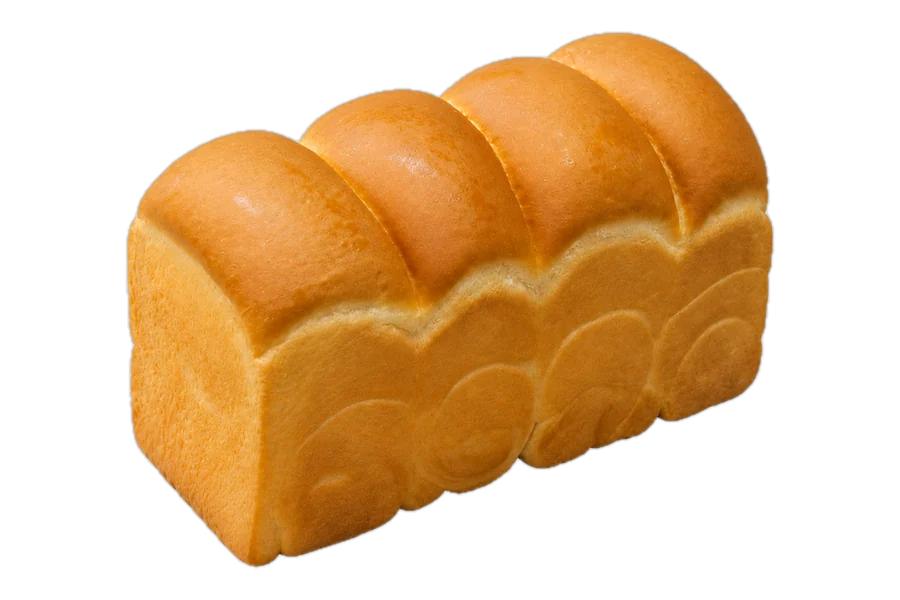
Shokupan is written 食パン, roughly eating bread. It is the loaf a Japanese household keeps on the counter, the way pav or a sliced white loaf is the default here. The crumb is fine and even, the crust is thin, and a slice holds a shape under butter, jam or a sandwich filling without going to pieces.
Ours is made without eggs, which is the part that took the longest. Egg is usually what gives a milk loaf its softness and its structure, so removing it means finding that softness somewhere else. We found it in a wetter dough, a longer and cooler ferment, and shaping by hand in small batches.
On the menu
Every day from 12 to 8, and 9 to 11 on Sunday mornings. Order an hour before a slot and it can be today.
Questions
Japan's everyday loaf. A fine, even crumb, a thin crust, and slices that pull apart in soft sheets rather than crumbling. In Japan it is the bread you keep in the house, not the one you buy for an occasion.
Yes, and so is everything else we bake. Egg is usually what gives a milk loaf its softness, so removing it meant finding that softness somewhere else, in hydration and in time.
To your door, in a two-hour slot you pick at checkout: 12 to 8 every day, and 9 to 11 on Sundays. Order up to an hour before the slot starts.
Tear it, do not slice it. It gives up in soft sheets. On day two, toast it. On day three, French toast. It holds a shape under butter, jam or a sandwich filling without going to pieces, which is the whole point of the loaf.